Brazil’s First Legal World Cup Betting Cycle Begins in 2026
Brazil’s Legal World Cup Betting Debut in 2026 – AI Trading and Localisation Set to Shape LatAm Competition
Key Takeaways
- The 2026 FIFA World Cup will be the first tournament where Brazilian bettors can legally place wagers following the launch of the regulated market in early 2025.
- Kambi processes more than 50% of its total wagers from Latin America and will deploy fully AI-powered sports betting trading for the World Cup.
- Brazil generated $7bn in gross gaming revenue in its first year of legal sports betting.
- Football accounts for almost 90% of betting activity in Brazil, while other LatAm markets show different sport preferences.
- Sportsbook margins in Brazil are reported at 6-7%, compared to around 13% in other Latin American markets.
Brazil’s Regulated Market Enters Its First World Cup Cycle
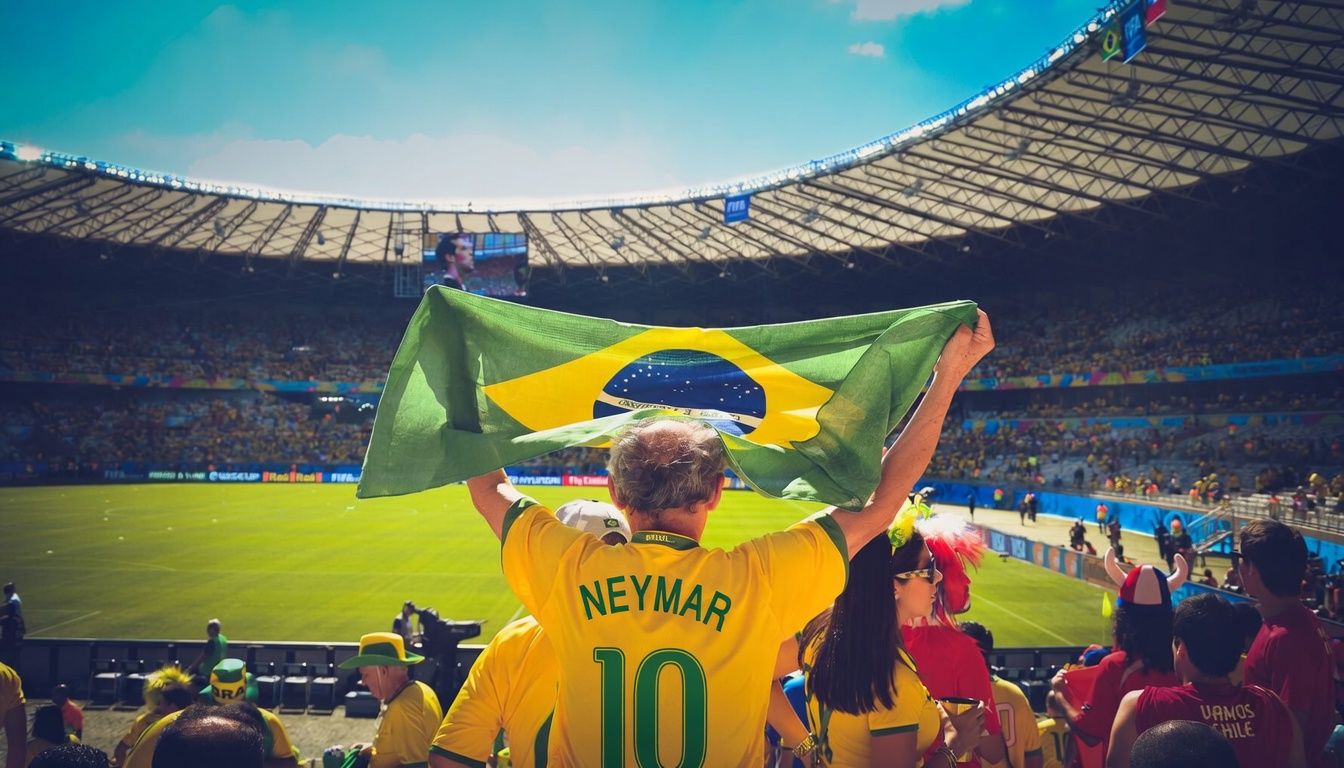
The 2026 FIFA World Cup, which begins in June with an opening match at Mexico City’s Estadio Azteca, will mark a milestone for Latin American betting markets. For the first time, Brazilian punters can legally place bets on World Cup matches, including games involving the national team.
Brazil’s regulated betting market was introduced at the start of 2025. The upcoming tournament will therefore be the first global football event held under the country’s new legal framework. Millions of Brazilian bettors are expected to participate alongside users in more established regional markets such as Mexico and Colombia.
For operators active in Latin America, the World Cup represents a major commercial event within a newly structured regulatory environment. Brazil is the region’s largest market and has quickly become a central focus for international and regional sportsbook brands.
Technology and Trading Capabilities as Competitive Factors
Competition in Brazil is increasingly defined by product sophistication and trading capabilities rather than marketing spend alone. According to Kambi, which supplies sportsbook technology to several operators in the region, advanced pricing and risk management tools are becoming critical.
Kambi reports that more than 50% of its total wagers are processed from Latin America. In Brazil, operators such as Superbet, KTO and Stake use its technology. KTO and Stake operate on Kambi’s Turnkey Sportsbook solution, while Superbet recently launched with the company’s Odds Feed+ product, which provides trading and pricing services.
A key development ahead of the 2026 World Cup is Kambi’s move to fully AI-powered sports betting trading. The company states that AI already accounts for more than 60% of its global trading activity. During the tournament, it plans to deploy AI across 100% of its sports betting trading operations.
According to Kambi’s head of sales for Latin America, Mateo Lenoble, AI is designed to deliver more accurate pricing and more responsive trading adjustments. The stated objective is to balance operator profitability with competitive odds that remain attractive to bettors. For operators in highly competitive markets, margin control and dynamic pricing are central operational requirements.
Localisation and Market Differences Across Latin America
Although Brazil is currently the largest regulated opportunity in the region, betting preferences vary significantly across Latin America. Football represents almost 90% of betting volume in Brazil. In contrast, other markets show stronger demand for different sports.
US sports have established popularity in Mexico and in parts of Central America and the Caribbean. Major League Baseball, for example, has limited appeal in Brazil but is described as a favourite in the Dominican Republic.
Operators expanding across multiple jurisdictions must therefore adapt pricing, trading models, payment solutions and product offerings to local demand. Language localisation alone is not sufficient. Regulatory compliance also differs by country, requiring tailored operational approaches.
Kambi has operated in Colombia for more than a decade through its partnership with BetPlay and also works with RushBet, described as the country’s top two operators. The company identifies Colombia as a key market alongside Brazil and Mexico.
Revenue Growth and Margin Development in Brazil
Brazil’s first year of regulated betting generated $7bn in gross gaming revenue. This level of activity has drawn political attention. President Luiz Inácio Lula da Silva has publicly called for a ban on betting, while discussions have also included tax adjustments.
An increase in gaming tax from 12% to 14% has already been announced. However, industry representatives cited in the source material indicate that the current framework is expected to remain largely in place, with potential adjustments rather than structural change.
From an operational perspective, Brazil’s sportsbook margins remain lower than those reported in other Latin American markets. While operators elsewhere in the region generate margins of around 13%, some Brazilian operators are currently achieving 6-7%.
This gap suggests that pricing strategies, trading tools and risk management systems are still developing in Brazil’s newly regulated environment. Technology providers argue that improved automation and AI-driven trading could help operators optimise margins over time.
World Cup 2026 as a Stress Test for Systems and Regulation
The World Cup traditionally drives high betting volumes across football-focused markets. In Brazil, where football dominates wagering activity, the tournament will test both operator platforms and regulatory oversight during a period of rapid market expansion.
For sportsbooks, the event combines peak demand with the need for real-time odds adjustments and exposure management. AI-based trading systems are positioned as tools to handle this complexity at scale.
For users of comparison platforms evaluating crypto-friendly sportsbooks and other betting providers in Latin America, the 2026 tournament will highlight differences in pricing accuracy, bet builder functionality, cash out features and overall platform performance. In Brazil in particular, where multiple bets and parlays are popular, product features are becoming central to user retention.
Our Assessment
The 2026 World Cup will be the first major global football event held under Brazil’s regulated betting framework, following the market’s launch in early 2025. Brazil has already generated $7bn in gross gaming revenue and remains heavily football focused, with nearly 90% of betting tied to the sport.
At the same time, operator margins in Brazil are currently below those reported in other Latin American markets. Technology, particularly AI-driven trading and localised product adaptation, is identified as a key factor in improving pricing accuracy and margin performance. As competition intensifies ahead of the World Cup, trading flexibility and regulatory compliance are positioned as central operational requirements across the region.
need press exposure?
We deliver solutions to any topic in the iGaming niche.