Michigan Judge Orders Kalshi to Halt Sports Markets
Judge Orders Kalshi to Halt Sports Prediction Markets in Michigan – Temporary Restraining Order Imposes Daily Fine Risk
Key Takeaways
- A Michigan judge has issued a temporary restraining order requiring Kalshi to stop offering sports event contracts in the state.
- The order includes a potential $120,000 daily fine if Kalshi fails to meet geolocation requirements.
- Kalshi must use a third-party geolocation provider licensed by the Michigan Gaming Control Board.
- Michigan joins Nevada and Massachusetts in barring Kalshi from offering sports markets.
- The restraining order remains in effect until at least July 13, when a preliminary injunction may be considered.
Michigan Court Grants Temporary Restraining Order Against Kalshi
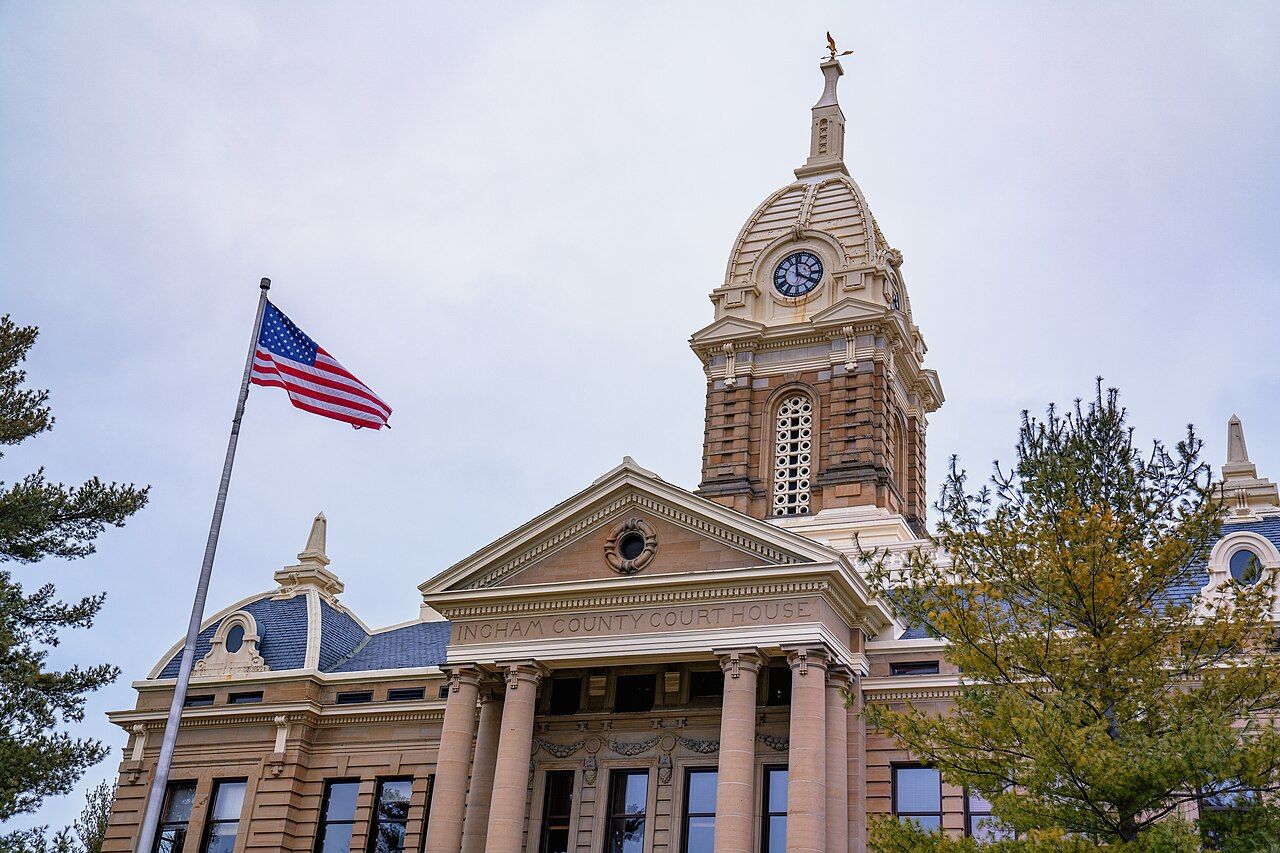
A judge in Michigan has ordered prediction market operator Kalshi to stop offering contracts on sporting events to users in the state. In a four-page decision issued by Ingham Circuit Court Judge Rosemarie E. Aquilina, the court approved a temporary restraining order requested by Michigan Attorney General Dana Nessel.
The order requires the New York based exchange to halt trading on sports related contracts in Michigan. According to the judge, the state and its citizens are harmed when companies operate outside Michigan gaming law, particularly because licensed sports betting operators generate tax revenue for the state. The court stated that Kalshi’s sports related offering was presented as an investment opportunity while functioning in a way that resembles sports betting.
Judge Aquilina also found that by not complying with Michigan’s gaming framework, Kalshi gains what she described as a massive and unfair advantage over licensed operators and disregards the position of the state’s tribal gaming operators.
Daily Fine Linked to Geolocation Compliance
The restraining order includes a financial penalty mechanism. If Kalshi does not meet the court’s geolocation requirements, it faces a fine of $120,000 per day.
To determine the amount, the court relied on an estimate of Kalshi’s reported $600 million daily trading volume. The judge divided that figure by 50 to approximate the share of trading activity attributed to Michigan and then calculated 1 percent of that share, which the court considered to represent Kalshi’s fees for facilitating trades.
Beyond stopping sports contracts in Michigan, Kalshi must implement a third-party geolocation solution licensed by the Michigan Gaming Control Board. The court indicated it may consider allowing a vendor licensed in another state, provided the solution satisfies Michigan’s geofencing standards.
This requirement follows concerns raised in other jurisdictions about Kalshi’s in-house geolocation technology.
Broader Regulatory Dispute Between States and Federal Oversight
Kalshi is approved by the US Commodity Futures Trading Commission to offer event based contracts, including those tied to sports. The company argues that prediction markets fall under exclusive federal jurisdiction and that states do not have the authority to block them.
Kalshi began offering sports related contracts in January 2025, after changes within the CFTC under the Trump Administration expanded the scope of what prediction markets can provide. The CFTC has also filed lawsuits against states that have sought to restrict Kalshi, Polymarket, and other exchanges.
However, Michigan authorities maintain that offering sports event contracts without complying with state gaming law undermines the regulatory framework applied to licensed sportsbooks and casino operators.
The Michigan order was issued four days after a federal district judge declined Kalshi’s attempt to move the case into federal court. For now, the matter remains in state court. The temporary restraining order is set to remain in place until July 13, when the court may decide whether to grant a longer lasting preliminary injunction.
Similar Actions in Nevada and Massachusetts
Michigan is the third state to take action against Kalshi’s sports markets. Nevada and Massachusetts have also barred the company from offering such contracts.
In Massachusetts, the ban is currently stayed while Kalshi pursues an appeal. In Nevada, regulators have taken additional steps, asking a judge in Carson City to find Kalshi in contempt of an injunction because its geolocation system did not meet state standards.
According to court documents referenced in the Michigan case, Kalshi’s in-house geolocation solution relies on a user’s IP address. Nevada officials have claimed that testing of the system involved family and friends and have requested a daily fine of $120,000 plus legal fees until the company’s geolocation measures comply with state requirements.
These parallel proceedings indicate a coordinated focus by state regulators on how prediction market platforms control access to sports related contracts within their borders.
Kalshi Signals It Will Challenge the Order
Kalshi has stated that it intends to contest the temporary restraining order. The company maintains that it operates under exclusive federal jurisdiction and disputes the authority of individual states to restrict its offerings.
At the same time, Kalshi has indicated that it will begin implementing restrictions in response to the Michigan order while seeking to overturn it.
For users, the immediate effect is that access to Kalshi’s sports related contracts from within Michigan must be blocked in accordance with the court’s directive. Whether this restriction remains in place beyond mid July will depend on the outcome of the preliminary injunction hearing and related legal proceedings.
Our Assessment
The Michigan ruling marks another escalation in the legal dispute between state gaming regulators and federally regulated prediction market platforms. The temporary restraining order requires Kalshi to stop offering sports contracts in Michigan and to adopt a licensed third-party geolocation solution, backed by a significant daily fine for non compliance. With similar actions already underway in Nevada and Massachusetts, the case highlights the ongoing jurisdictional conflict over whether sports event contracts fall under state gaming law or exclusive federal oversight.
need press exposure?
We deliver solutions to any topic in the iGaming niche.