Fertitta Executives Outline Regulatory Path for Caesars Deal
Fertitta Executives Receive Preliminary Nevada Approval for Caesars Deal – Licensing, Antitrust and Financing Steps Define Timeline
Key Takeaways
- Fertitta Entertainment executives Richard Liem and Steven Scheinthal received preliminary licensing approval from the Nevada Gaming Control Board.
- The proposed acquisition of Caesars Entertainment is valued at 17.6 billion dollars, including 5.7 billion dollars in equity and 11.9 billion dollars in assumed debt.
- The transaction requires antitrust clearance, gaming license approvals across multiple jurisdictions, and shareholder approval.
- Fertitta plans to file a Hart-Scott-Rodino application with the Federal Trade Commission by 13 July, triggering a 30-day waiting period.
- The deal includes a go-shop window through 11 July, during which alternative bids may be considered.
Preliminary Licensing Approval in Nevada
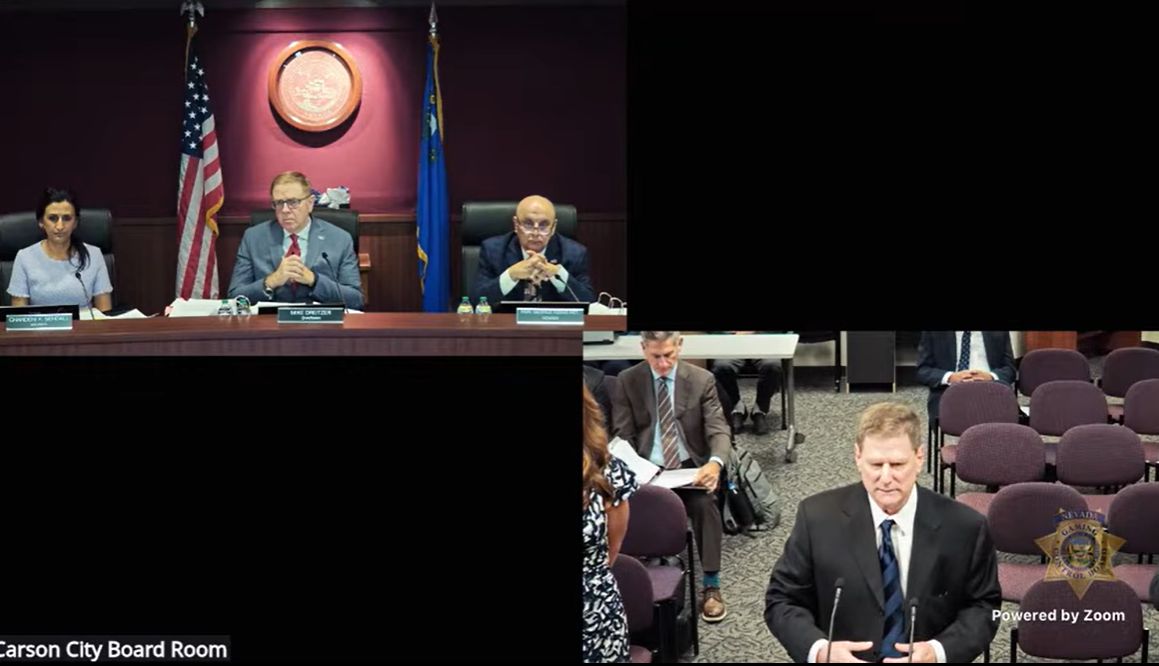
Fertitta Entertainment moved a step forward in its planned acquisition of Caesars Entertainment after two senior executives received preliminary approval from the Nevada Gaming Control Board. Chief Financial Officer Richard Liem and General Counsel Steven Scheinthal were unanimously approved and are scheduled to appear before the Nevada Gaming Commission for final consideration on 23 July.
Both executives have longstanding ties to Tilman Fertitta and to Nevada’s gaming industry. They have been licensed in the state since 2005, when Fertitta acquired Golden Nugget Casinos. Their most recent appearance before regulators was in 2023 in connection with Golden Nugget’s takeover of the former Hard Rock Lake Tahoe.
During the hearing, board members focused primarily on compliance matters. Caesars was fined 7.8 million dollars last year for anti-money laundering violations linked to illegal bookmaker Mathew Bowyer, who has since been placed in Nevada’s black book, barring him from casinos statewide. Scheinthal told regulators that Fertitta and Golden Nugget have not faced integrity issues and emphasized the company’s focus on regulatory compliance.
Structure and Regulatory Hurdles of the 17.6 Billion Dollar Deal
The proposed acquisition of Caesars is structured as an all-cash transaction valued at 17.6 billion dollars. This includes 5.7 billion dollars in equity and 11.9 billion dollars in assumed debt.
According to Scheinthal, the first priorities are antitrust clearance and gaming license approvals in all jurisdictions where Caesars operates. Fertitta intends to submit a Hart-Scott-Rodino filing to the Federal Trade Commission by 13 July. Once submitted, the filing initiates a 30-day waiting period under US antitrust rules.
At the same time, the company has divided its gaming license applications into two groups based on expected processing times. The first round of applications is scheduled for completion this week, while the remaining filings are expected within 45 days. Scheinthal told regulators that securing gaming approvals could take nine to ten months.
Because Caesars is a publicly traded company, the transaction also requires shareholder approval. Caesars held its annual meeting on 9 June and is scheduled to publish second-quarter results on 28 July without hosting an analyst call.
For users of online betting and gaming platforms, these steps are relevant because regulatory approvals determine operational continuity across licensed markets. Until all required licenses are approved, the transaction cannot close.
Financing Plans and Market Conditions
Financing is another central component of the transaction. Scheinthal said Fertitta has secured a commitment letter from a syndicate of banks to finance the acquisition. However, the company is exploring whether it can obtain more favorable terms in the broader market.
The strategy involves potentially raising funds during what Scheinthal described as a more interest rate friendly period and placing the capital in escrow until closing conditions are met. The current environment is characterized by steady interest rates following the US Federal Reserve’s June decision to hold rates unchanged. Sentiment regarding potential rate cuts has weakened.
For a transaction of this size, financing terms directly affect overall cost structures. Although the commitment letter provides certainty, management indicated that alternative market funding remains under consideration before finalizing the capital structure.
Go Shop Period and Competing Interest
The acquisition agreement includes a go-shop window running through 11 July. During this period, Caesars may consider alternative proposals.
Billionaire investor Carl Icahn is reportedly exploring a competing offer of 33 dollars per share, compared with the 31 dollars per share agreement Caesars entered into with Fertitta. According to reports cited during the regulatory discussion, Icahn is assessing interest in a 5 billion dollar debt financing package and currently controls two of Caesars’ ten board seats.
The Caesars board is said to favor the Fertitta agreement because of what has been described as firm financing. Final outcomes depend on shareholder votes and the completion of regulatory and financing steps.
Fertitta’s Passive Stake in Wynn Resorts
Nevada regulators also asked about Fertitta’s 12 percent stake in Wynn Resorts, where he is the largest shareholder. Wynn shares are down more than 19 percent this year and the company is expecting delays to its UAE resort due to regional conflict.
Scheinthal stated that Fertitta is a passive investor in Wynn and that there are no anticipated regulatory issues connected to that ownership. He said the company intends to retain the stake.
The question is relevant in the context of Nevada’s regulatory framework, which reviews ownership structures and potential competitive considerations when evaluating major transactions.
Our Assessment
Fertitta Entertainment’s planned acquisition of Caesars involves multiple regulatory layers, including Nevada licensing, federal antitrust clearance, and approvals across gaming jurisdictions. The 17.6 billion dollar structure combines equity and assumed debt and requires confirmed financing before closing. A go-shop window introduces the possibility of competing bids, while shareholder approval remains mandatory. Until antitrust, licensing, financing, and shareholder conditions are satisfied, the transaction cannot be finalized.
need press exposure?
We deliver solutions to any topic in the iGaming niche.