Dutch Gambling Tax Revenue Falls Short as World Cup Markets Shift
Dutch Gambling Tax Hike Misses Revenue Targets – World Cup Prediction Markets Reveal Trading Patterns
Key Takeaways
- The Netherlands increased its gambling tax to 34.2% in January 2025 and 37.8% in January 2026, but additional revenue fell far short of projections.
- The Dutch Treasury expected €108 million in extra revenue in 2025 and €216 million in 2026, yet actual figures reached €2 million in 2025 and an estimated €57 million in 2026.
- Casino and gaming hall visits in the Netherlands declined by around 11% year on year, with some operators citing the tax hike as a factor in closures.
- During the World Cup, DR Congo was the most backed team not to win, while France, Spain and Portugal led among teams backed to win on prediction markets.
- Ireland’s new licensing regime under GRAI took effect on 1 July, with 89% of online betting already onshore but most iGaming activity still offshore.
Dutch Gambling Tax Increases Generate Lower Than Expected Revenue
The Netherlands implemented a two phase gambling tax increase over the past 18 months. The rate rose from 30.5% to 34.2% in January 2025 and then to 37.8% in January 2026.
The Dutch Treasury projected that the higher rates would generate an additional €108 million in 2025 and €216 million in 2026. However, the actual figures came in significantly below those estimates. In 2025, the increase produced just €2 million in additional revenue. For 2026, the current estimate stands at €57 million, well under the original forecast.
The shortfall coincided with broader changes in the Dutch market. New deposit limits and advertising restrictions were introduced, while the revenue boost linked to the Euro 2024 tournament faded. Together, these factors reduced the taxable base.
For land based gambling, the impact appears more pronounced. Casino and gaming hall visits declined by around 11% year on year. Several operators have cited the higher tax burden as one of the factors behind venue closures.
For international operators and crypto betting users monitoring regulated markets, the Dutch case highlights how tax policy, player protection measures and event driven revenue cycles interact to shape overall market performance.
World Cup Prediction Markets Show Diverging Outcomes From Sportsbooks
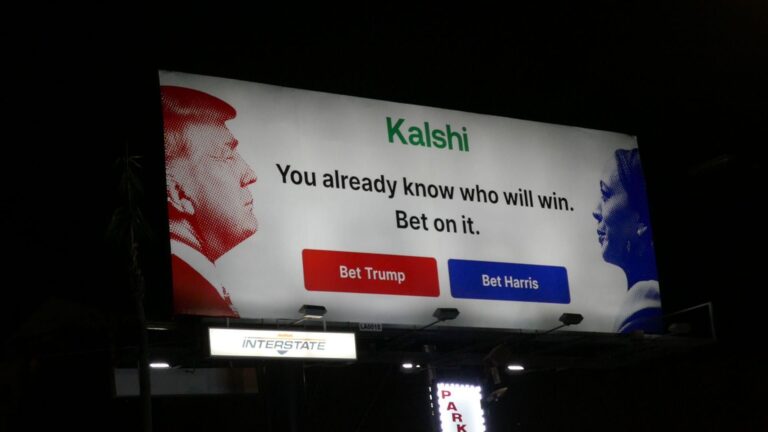
Data shared during the latest discussion of World Cup trading activity shows distinct patterns in prediction markets during the tournament.
By trading volume, DR Congo was the most backed country not to win the World Cup. On the opposite side of the book, France, Spain and Portugal led the standings among teams most backed to win.
The analysis also identified specific matches that generated the highest losing trades on prediction markets. These fixtures shared a common feature that ultimately favored traditional sportsbooks more than prediction market participants. In these instances, prediction markets were caught out, while sportsbooks appear to have been less affected.
For users comparing traditional sportsbooks with decentralized or exchange style prediction markets, the findings underline structural differences. Liquidity, pricing dynamics and user positioning can lead to different outcomes depending on match scenarios and trading behavior. The World Cup data provides a practical example of how these models respond under high volume tournament conditions.
Ireland’s New Licensing Regime Takes Effect With Offshore iGaming Still Dominant
Ireland’s new licensing framework under the Gambling Regulatory Authority of Ireland, known as GRAI, took effect on 1 July.
According to the figures discussed, 89% of online betting activity in Ireland is already onshore. However, this represents only 35% of the total gambling market, as all iGaming activity currently remains offshore and unregulated.
This means that while most online sports betting is conducted through domestically regulated channels, the broader online casino and iGaming segment operates outside the national framework.
Platform providers have begun supporting operators through the transition. Pragmatic Solutions is among those that have already gone live to assist companies adapting to the new regime.
For international operators and users evaluating market accessibility, Ireland presents a split structure. Sports betting is largely channeled into the regulated sector, while iGaming remains offshore. Any future extension of regulation to iGaming would alter the competitive and compliance landscape.
Africa Summit Focuses on Taxation and Player Protection
At the recent Africa Summit held alongside iGB L!VE, regulators from Nigeria, South Africa and Kenya met with industry bodies including the African Tax Administration Forum.
Discussions centered on sustainable taxation, channelisation and player protection. A high level session hosted by the African iGaming Alliance addressed regulatory coordination and advanced plans for a continent wide Africa Safer Gambling Week.
The summit brought together tax authorities and industry representatives to examine how regulatory frameworks can balance revenue generation with market sustainability. Questions were raised about how operators respond to high tax rates in different jurisdictions and what that means for broader policy debates.
For operators active across multiple African markets, these discussions signal continued focus on tax design and compliance standards.
Our Assessment
The Netherlands’ recent tax increases demonstrate that higher headline rates do not automatically translate into proportional revenue gains, particularly when combined with deposit limits, advertising restrictions and shifting event driven income. At the same time, World Cup trading data highlights measurable differences between prediction markets and traditional sportsbooks during high profile tournaments. Ireland’s new licensing regime formalizes the regulatory framework for online betting while leaving iGaming offshore for now, and African regulators continue to examine taxation and player protection in coordinated forums. Together, these developments illustrate how taxation, licensing and market structure directly shape gambling market outcomes across jurisdictions.
need press exposure?
We deliver solutions to any topic in the iGaming niche.