Germany Allows Higher Online Slot Stakes With Monitoring Rules
Germany Lifts Online Slot Stake Cap Above €1 – Operators Must Monitor Player Behaviour Under New Rules
Key Takeaways
- Germany’s gambling authority now allows licensed online slot operators to raise stakes above the €1-per-spin default limit.
- Approved operators can offer stakes of up to €3 or €5 per spin to qualifying players.
- Players must meet age and behavioural criteria, including no signs of problematic gambling in the past 90 days for the €5 limit.
- Operators are required to monitor player behaviour and intervene if harmful gambling indicators appear.
- The change comes ahead of the 2026 review of the Interstate Treaty on Gambling.
Regulators Approve Higher Online Slot Stakes Under Strict Conditions
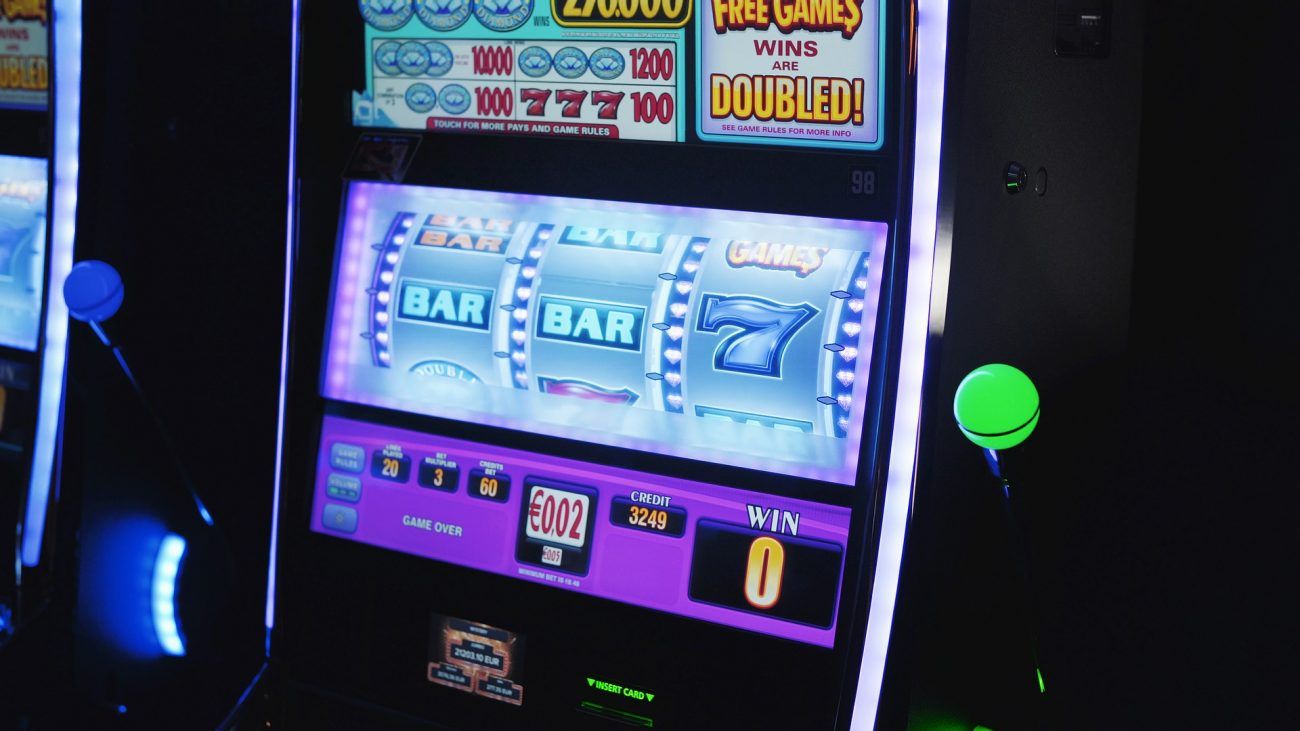
Germany’s Joint Gambling Authority of the Federal States has agreed to lift the long-standing €1-per-spin stake limit for online slot games. The change took effect in July and applies to licensed operators that receive specific approval from the authority.
While the €1 cap remains the legal default under the Interstate Treaty on Gambling, operators can now increase maximum stakes to €3 or €5 per spin. The higher limits are not automatically available to all players. Instead, operators must ensure that customers meet defined eligibility criteria before granting access.
To qualify for stakes of up to €3 per spin, players must be at least 21 years old. For the €5 limit, additional safeguards apply. Players must not have shown any signs of problematic gambling behaviour during the previous 90 days.
The authority stated that the adjustment reflects changing market conditions while maintaining the core objectives of the State Treaty, including player protection and addiction prevention within a regulated market.
Mandatory Player Monitoring and Intervention Measures
The increase in stake limits is linked to enhanced monitoring obligations for operators. Before and after raising a player’s stake limit, companies must conduct special tracking of gambling behaviour.
If indicators of harmful or problematic gambling emerge, operators are required to intervene. Possible measures include directly contacting the player, restricting gambling activity, or suspending the account.
These requirements place compliance and risk management at the centre of the reform. Operators that choose to offer higher stakes must demonstrate that they can identify behavioural warning signs and act accordingly.
According to the German Online Casino Association, most licensed operators have already begun increasing their limits and implementing the necessary tracking systems.
Channelisation Concerns Drive Regulatory Adjustment
The decision follows years of debate between regulators and licensed operators about the competitiveness of Germany’s regulated online casino market.
Industry representatives have argued that strict product restrictions, high taxation and lengthy approval processes have limited the attractiveness of licensed offerings. The German Online Casino Association has stated that the online channelisation rate is in the mid-double-digit range, meaning a significant share of players may be using unlicensed alternatives.
Entain described the move as a positive signal for the licensed market. Simon Priglinger-Simader, senior regulatory affairs manager DACH at Entain Group and vice president of the German Online Casino Association, said the federal states are demonstrating a willingness to review existing rules and adjust them where necessary to meet the objectives of the Interstate Treaty.
Under the treaty, the Joint Gambling Authority has the power to raise staking limits in response to market developments. However, the decision required approval from representatives of all 16 federal states, who sit on the authority’s administrative board.
Interstate Treaty Review Underway
The adjustment comes ahead of the first formal review of the Interstate Treaty on Gambling since it entered into force in 2021. The review, conducted by representatives of the 16 federal states, is scheduled to be finalised by the end of the year.
The process aims to assess whether the treaty has achieved key objectives, including channelling players into the legal market and preventing problem gambling.
Industry groups have called for additional changes. The German Sports Betting Association has stated that only a competitive legal market can keep players within a regulated environment and ensure effective protection. Its managing director, Luka Andric, said rules that have proven ineffective in supporting channelisation should be revised or removed.
According to industry representatives, discussions during the review have included potential adjustments to other product restrictions. One topic is the current five-second rule for online slot games, which requires an average spin speed of five seconds. Another is the status of online table games, which are currently not permitted but could be subject to examination by individual states.
Deposit Limits Remain Unresolved
Beyond staking limits, deposit rules are also under review. At present, player deposits are generally capped at €1,000 per month. Under certain conditions, this limit can be raised to €10,000 or €30,000 for a limited number of customers who pass screening and risk assessments.
Current guidance on deposit limits expires at the end of the year. Two previous amendment proposals did not receive majority approval from the federal states. A third draft is expected and may seek a compromise approach, potentially allowing higher limits combined with more extensive credit and income checks.
The outcome of these discussions will determine whether Germany maintains its current framework or introduces further adjustments aimed at balancing market competitiveness and player protection.
Our Assessment
Germany’s decision to allow higher online slot stakes marks a concrete adjustment to the regulatory framework established under the 2021 Interstate Treaty on Gambling. The reform maintains the €1 default cap but creates a structured pathway for higher limits tied to age requirements, behavioural screening and mandatory monitoring.
The change is directly linked to concerns about channelisation and the competitiveness of the licensed market. It also precedes a broader review of the treaty that may address additional product rules and deposit limits. For licensed operators and players, the reform introduces greater flexibility while reinforcing compliance and player protection obligations within Germany’s regulated online gambling market.
need press exposure?
We deliver solutions to any topic in the iGaming niche.