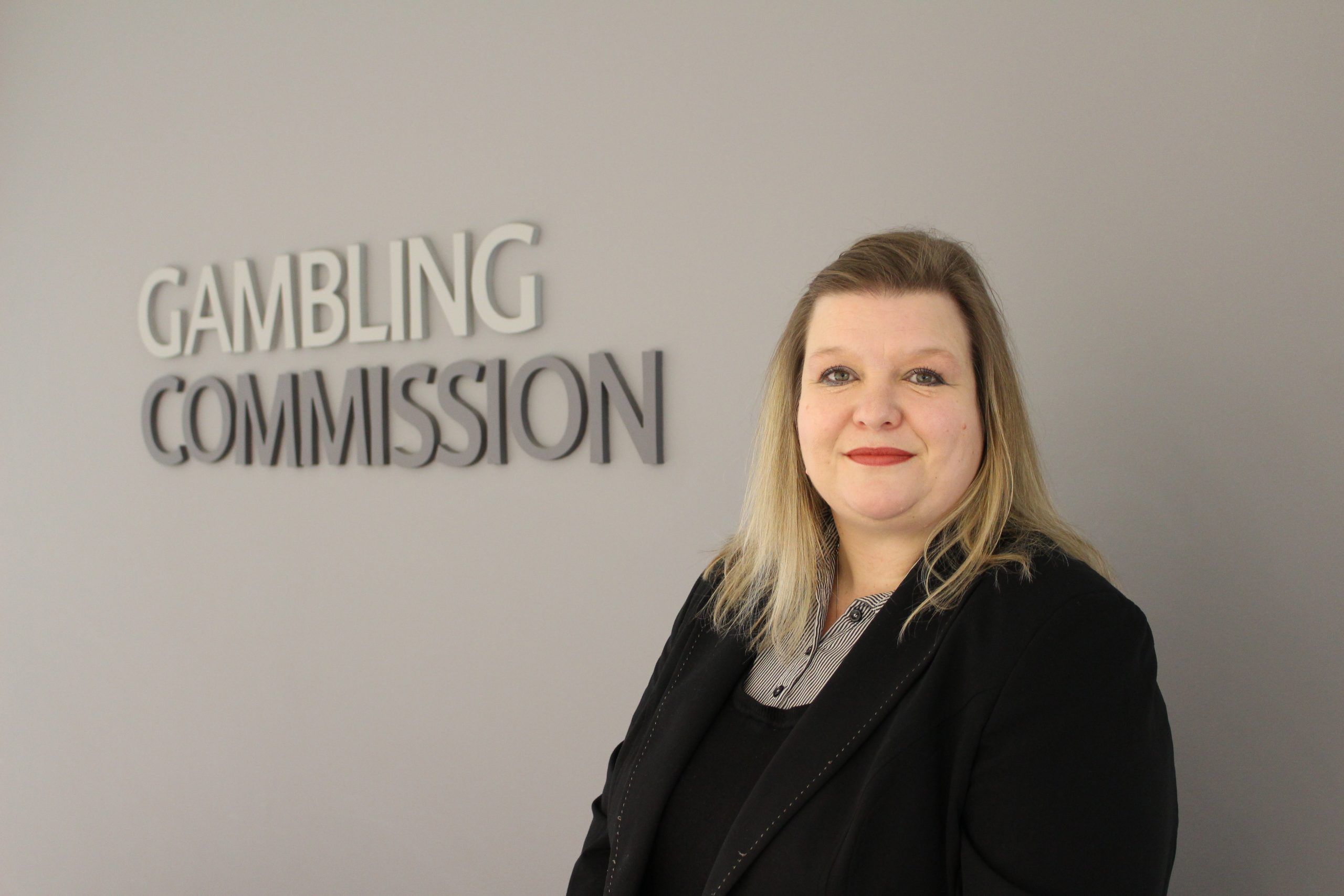
Sarah Gardner Outlines Regulatory Balance as UK Gambling Commission Leadership Shifts
Sarah Gardner Highlights Balancing Consumer Protection and Market Freedom as Leadership Changes Continue at UK Gambling Commission
Key Takeaways
- Sarah Gardner is serving as interim CEO of the UK Gambling Commission following Andrew Rhodes’ departure in February.
- Gardner has worked at the regulator for nearly 17 years in multiple senior roles.
- The Commission is implementing phased financial risk assessments after a 2025 pilot involving high spending customers.
- Affordability checks have triggered pushback from parts of the gambling sector, the horse racing industry and some politicians.
- Further leadership changes are underway, including Tim Miller’s exit and the transfer of part of his remit to Sarah Fox.
Leadership Changes at the Gambling Commission
Sarah Gardner is currently serving as interim chief executive of the UK Gambling Commission, following the departure of former CEO Andrew Rhodes in February. Her appointment comes during a broader period of transition within the regulator’s senior leadership team.
Tim Miller, the Commission’s director of policy, also announced in June that he would leave the organisation after ten years. Speaking at iGB Live in July, Miller reflected on his time at the regulator. As part of the leadership reshuffle, part of his responsibilities will be taken over in September by Sarah Fox, a senior civil servant from the Department for Digital, Culture, Media and Sport.
For you as an operator or user monitoring regulatory stability, these changes signal an ongoing reorganisation at the top of the UK’s gambling regulator. However, Gardner’s long tenure provides continuity during this period.
Seventeen Years at the Regulator
Gardner’s career at the Gambling Commission spans almost 17 years. Over that period, she has held a variety of senior positions and says she has worked in most of the roles around the senior leadership table.
She describes gambling regulation as a sector that presents constant challenges. According to Gardner, the diversity and complexity of the issues involved have been a key reason she has remained at the Commission for nearly two decades. She has referred to herself as a “Gambling Commission lifer” and said the organisation has proved difficult to leave due to the range of regulatory challenges it presents.
Gardner characterises gambling oversight as an area where regulators must continually weigh competing interests. For you as a market participant, this balancing act directly affects licensing conditions, compliance requirements and the scope of consumer protection measures.
Balancing Leisure and Consumer Protection
A central theme in Gardner’s remarks is the need to strike a balance between allowing consumers to enjoy gambling as a leisure activity and ensuring protections for those at risk of harm.
She notes that regulation often attracts criticism from multiple sides. According to Gardner, regulatory decisions frequently prompt one group to argue that measures do not go far enough, while another group claims they go too far. She suggests that this tension can indicate that the regulator is positioned between competing interests.
For users and operators alike, this approach means that regulatory outcomes may not fully align with any single stakeholder group. Instead, policies are shaped by an attempt to reconcile consumer freedom with risk mitigation.
Financial Risk Assessments and Sector Pushback
One of the most debated regulatory measures in recent years has been the introduction of financial risk assessments, also referred to as affordability checks.
In 2025, the Commission carried out a pilot programme involving high spending players across a number of tier one operators. These customers were flagged for additional credit checks by independent agencies. The aim was to test a system that identifies individuals who may require additional safeguards based on financial risk indicators.
An update on the measure was delayed earlier this year. In July, the Commission confirmed that financial risk assessments would be introduced formally through a phased approach.
The policy has generated pushback from various parts of the gambling sector, as well as from the horse racing industry and some politicians. Critics have raised concerns about the potential impact on customers and on segments of the gambling market.
Gardner has described the financial risk assessment framework as an example of seeking a more sophisticated method of identifying consumers who need support. She argues that a targeted system reduces the need to request additional documentation from a broader group of customers, which she describes as potentially too intrusive for a leisure activity.
For you as a player, such measures may affect the circumstances under which operators conduct financial checks. For operators, the phased rollout implies adjustments to compliance systems and data processes.
A More Creative Regulatory Approach
Gardner has stated that she is encouraging a more creative regulatory mindset within the Commission. Rather than relying on what she calls blunt instruments, she has indicated a preference for more nuanced tools.
In the context of financial risk assessments, this means focusing on consumers who show indicators of financial vulnerability rather than applying uniform checks across the entire customer base. The stated objective is to refine intervention mechanisms while maintaining consumer protections.
This approach reflects an attempt to tailor regulatory oversight to specific risk profiles. For international observers, it illustrates how the UK regulator is adjusting its methods in response to ongoing debate around affordability and responsible gambling measures.
Our Assessment
Sarah Gardner’s interim leadership coincides with significant personnel changes at the Gambling Commission and the formal rollout of financial risk assessments. Her nearly 17 year tenure provides continuity during a period of restructuring. The Commission’s phased introduction of affordability checks, following a 2025 pilot, remains a central regulatory development and continues to draw responses from industry stakeholders and political actors. Together, these elements define the current direction of UK gambling regulation as described by the Commission’s interim CEO.
need press exposure?
We deliver solutions to any topic in the iGaming niche.