Brazil Betting Ban Damages Investor Confidence – Kambi Warns of Risks
Brazil Betting Ban Damages Investor Confidence – Kambi Executive Warns of Sports Integrity Risks
Key Takeaways
- A provisional measure banning betting operators in Brazil is actively disrupting established projects and regional investments.
- Kambi’s Latin America director warns that legal uncertainty will linger even if the government allows operators to return.
- Bettors migrating to clandestine platforms weaken the ability of regulators to combat illegal gambling.
- The absence of clear rules limits oversight capabilities and increases the risks of match-fixing in professional sports.
Sudden policy shifts create long-term legal unpredictability
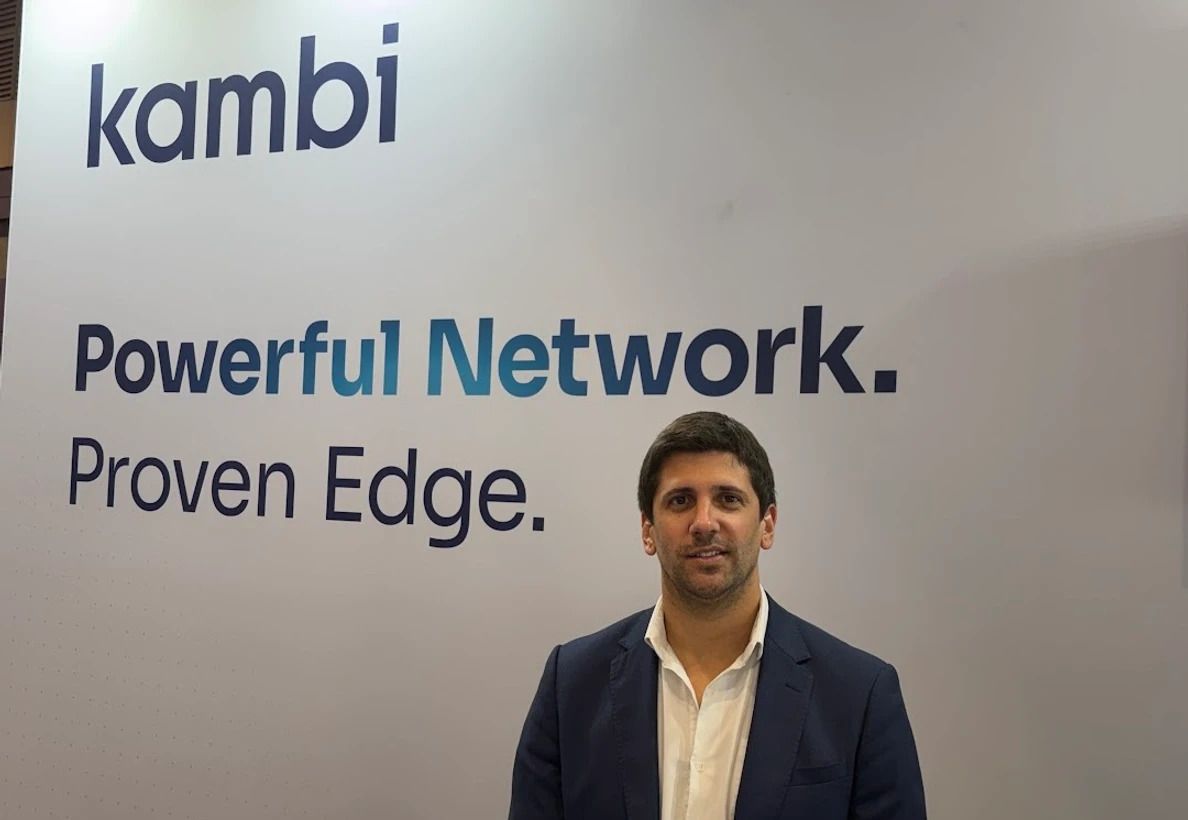
The provisional measure prohibiting betting operations in Brazil has introduced significant disruption to the country’s gambling sector. Mateo Lenoble, the Latin America director for sports betting technology provider Kambi, warned that the ban is damaging investor confidence. The policy reversal undermines the progress operators and providers had made toward establishing a regulated market in the region.
Reversing the ban quickly would not automatically restore the previous level of market confidence. Lenoble noted that the legal uncertainty generated by this prohibition makes future planning difficult for international investors. Stakeholders now face the reality that a regulated market can experience sudden, restrictive rule changes, raising fears that similar disruptions could happen again.
The Brazilian market remains extremely attractive to international providers due to its sheer size. During the recent SBC Summit in Lisbon, Lenoble spoke extensively about the possibility of betting operators returning to the country. Kambi remains open to resuming its full operations under a new regulatory framework, though the current unpredictability forces a cautious approach.
Market disruption tests the resilience of regional operators
The ban directly impacts the ongoing operations and strategic plans of international business-to-business providers. Kambi requires a fully regulated market to operate and deploy its technology. The recent provisional measure immediately halted projects the company had been actively developing for the Brazilian sector.
The provider relies on a group of key clients who utilized its complete sports betting platform before the ban took effect. These partner operators are now dealing with the direct consequences of the regulatory shift. Kambi confirmed it is actively supporting each of these clients while awaiting a final legal decision from Brazilian authorities.
The severity of the impact varies among different betting operators based on their geographical footprint. Companies that operate exclusively within Brazil are suffering the most from the immediate cessation of legal betting activities. Operators with active licenses in other jurisdictions retain some operational breathing room to absorb the localized shock. Kambi intends to continue developing the market, but the timeline relies entirely on future legislative decisions.
Unregulated platforms capture users when legal options vanish
Removing legal betting avenues does not eliminate market demand. Bettors tend to migrate toward clandestine and unregulated platforms when licensed options disappear. This shift effectively transfers market activity from transparent, monitored environments into the shadow economy.
This migration directly strips power from government authorities and regulatory bodies. Officials lose their ability to implement necessary safeguards, oversee transactions, and monitor suspicious activity. A lack of clear rules severely hampers the broader effort to control the sports betting ecosystem.
Regulated markets provide the framework needed to ensure sporting integrity. Strict rules and active oversight are essential to effectively combat illegal gambling networks. Without these regulated channels, the risks of compromising professional sports increase substantially.
Integrity partnerships rely on transparent market data
Combatting match-fixing requires coordinated efforts between operators, technology providers, and international oversight organizations. Regulated markets facilitate this coordination by mandating data sharing and transparent operations. The current ban severs these monitored connections, leaving sports vulnerable to manipulation.
Kambi maintains dedicated partnerships specifically designed to identify and combat match-fixing. The provider, along with many of its operator clients, is a member of the International Betting Integrity Association (IBIA). This membership allows companies to cross-reference betting patterns and flag suspicious activities across multiple platforms.
The company also operates an internal integrity department to protect its clients and end-users. These serious structural investments ensure that bettors have access to safe sports betting options. Operating strictly within a regulated environment is necessary for these integrity departments to function effectively.
Our Assessment
The provisional measure banning sports betting in Brazil creates immediate operational roadblocks for technology providers and local operators. Market confidence is highly sensitive to regulatory stability, and abrupt policy reversals generate long-lasting uncertainty. Even if the ban is lifted, international companies will likely approach the Brazilian market with heightened caution.
Pushing betting activities into unregulated channels removes critical oversight mechanisms that protect professional sports. Industry providers rely on established regulatory bodies and specialized associations to monitor betting patterns and prevent market abuse. A prolonged absence of transparent, regulated frameworks leaves the region vulnerable to match-fixing and illegal gambling operations.
need press exposure?
We deliver solutions to any topic in the iGaming niche.