Brazil SPA Reviews First Year of Betting Regulation
Brazil’s SPA Calls First Year of Betting Regulation a Success – Government Highlights Consumer Protection and Crackdown on Illegal Operators
Key Takeaways
- The Secretariat of Prizes and Bets says Brazil’s regulated betting market has shown positive results in its first full year.
- Regulation began in 2024, with the SPA granting authorisations and drafting sector rules.
- The authority cites consumer protection, public interest safeguards, and industry oversight as core achievements.
- Recent measures include two new regulations targeting illegal operators and closer coordination between government bodies.
SPA Reviews First Full Year of Betting Regulation
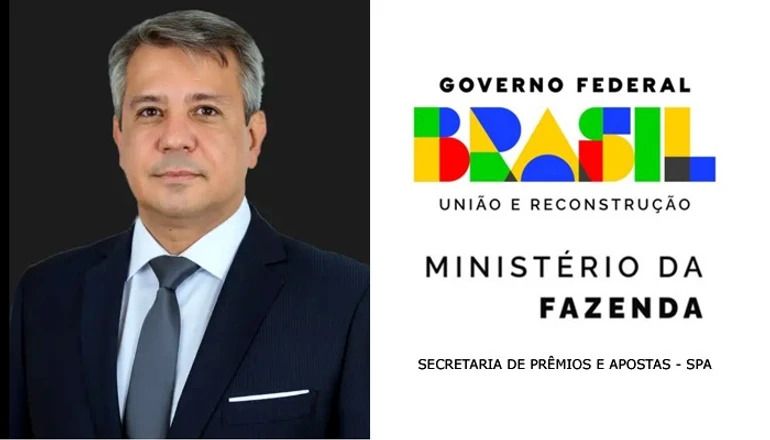
Brazil’s Secretariat of Prizes and Bets, known as the SPA, has described the country’s newly regulated betting environment as a success when compared with the previous period without formal oversight. The assessment was presented by Carlos Renato Xavier, deputy secretary of monitoring and supervision of betting at the SPA, during a panel titled “Future of Betting in Brazil.”
According to Xavier, the first full year under the regulated framework demonstrated that structured oversight can reduce conflicts and prevent problems from escalating. He stated that the existence of a regulated environment, combined with ongoing state involvement and a focus on consumer protection rules, contributes to preserving the public interest and maintaining the health of the industry.
For users and operators, this marks a shift from an unregulated market to one where authorisations, compliance requirements, and supervisory mechanisms are formally established.
Regulatory Framework Implemented Since 2024
Xavier noted that since the start of regulation in 2024, the undersecretariat has worked proactively to grant authorisations and develop detailed sector regulations. He described the process as a period of intensive learning, not only for operators and providers but also for the regulatory team itself.
The SPA engaged in dialogue with market participants, including operators and service providers, to build technical expertise and refine the regulatory structure. According to Xavier, this collaborative approach allowed the authority to strengthen its knowledge base while shaping the framework.
He also stated that the SPA examined established international regulatory models to determine which measures could be adapted to structure Brazil’s betting sector. The aim, as described, was to incorporate tested safeguards into the domestic system rather than replicate shortcomings observed elsewhere.
Learning from International Regulatory Experiences
A key element of the SPA’s assessment is the opportunity Brazil had to observe regulatory developments in other jurisdictions before consolidating its own framework. Xavier explained that while the process of building regulation required time, it also offered the advantage of studying problems and failures in international markets.
Based on those observations, the Brazilian model integrated safeguards designed to address risks identified abroad. Although specific international examples were not detailed, Xavier emphasized that this comparative approach helped shape the structure of the current regulatory system.
For international operators and users of crypto and traditional betting platforms, this indicates that Brazil’s framework was designed with reference to broader global regulatory practices, particularly in areas linked to oversight and compliance.
Inter-Agency Cooperation and Public Oversight
The SPA highlighted that monitoring of the betting market is not limited to a single authority. Xavier referred to a recent congressional debate attended by multiple government bodies and institutions, including representatives from the Ministry of Health, Conar, and the consumer defence secretariat.
He described the meeting as a forum where both government representatives and broader society presented views on the market and related concerns. According to Xavier, this reflects coordinated and vigilant action by various agencies.
Such cooperation is presented as a structural feature of Brazil’s regulatory model. Oversight responsibilities extend beyond the SPA, involving institutions connected to public health, consumer rights, and advertising standards. The stated objective is to ensure a market that remains transparent, responsible, and aligned with public interest considerations.
Focus on Combating the Illegal Market
While describing the regulatory rollout as successful, Xavier identified illegal operators as the sector’s primary ongoing challenge. He stated that two new regulations aimed specifically at combating illegality were published in the past week.
In addition, he pointed to what he described as a significant alignment in institutional discourse among the presidency, the Ministry of Finance, and the Ministry of Justice. According to Xavier, this alignment reflects an intensified effort to target operators that function outside the legal framework.
The stated goal of these actions is to reduce risks to consumers, the broader economy, and the integrity of the regulated sector. Xavier emphasized that these measures do not represent a reversal of the regulatory process but rather a strengthening of enforcement against non-compliant actors.
For users, especially those evaluating licensed platforms, enforcement against illegal operators may affect which services remain accessible and which are subject to sanctions under the regulated system.
Our Assessment
Based on statements from the Secretariat of Prizes and Bets, Brazil’s first full year of regulated betting has been characterized by the establishment of formal authorisations, the drafting of sector-specific regulations, and coordinated oversight involving multiple government bodies. The authority reports progress in consumer protection and structured supervision compared with the previous unregulated period. At the same time, enforcement against illegal operators remains a central focus, with new regulations and inter-ministerial coordination aimed at strengthening compliance within the market framework.
need press exposure?
We deliver solutions to any topic in the iGaming niche.