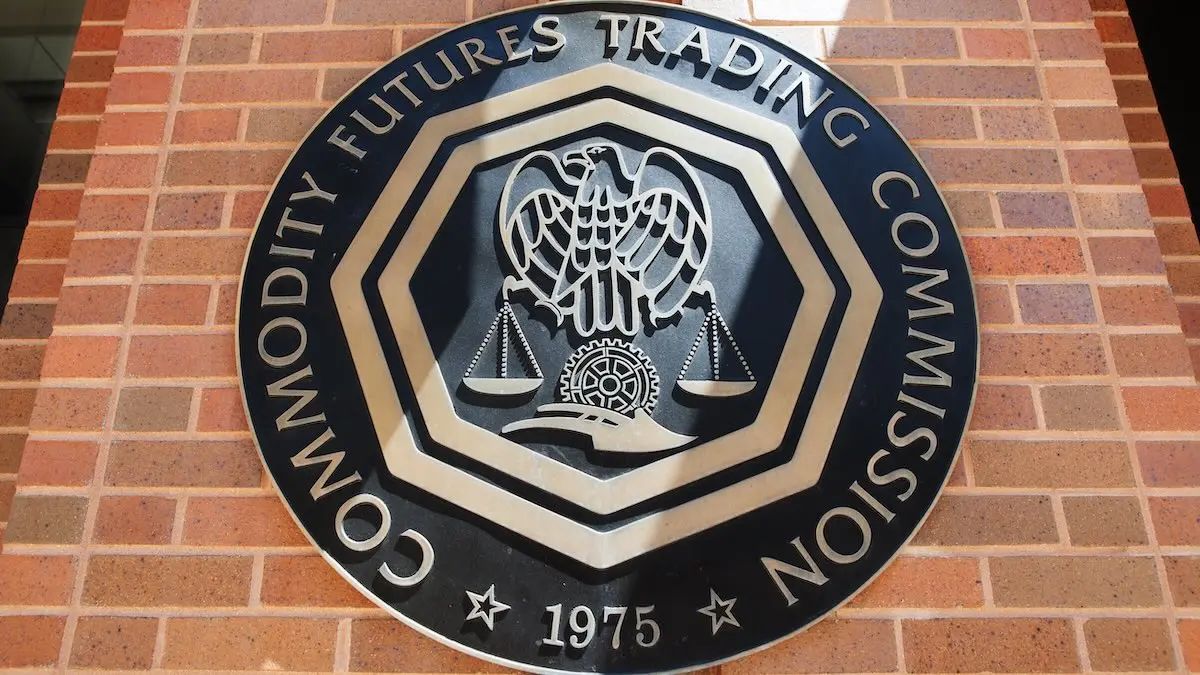
CFTC Sues New Mexico Over Prediction Market Jurisdiction
CFTC Sues New Mexico Over Kalshi Dispute – Federal Regulator Seeks to Block State Gambling Claims
Key Takeaways
- The Commodity Futures Trading Commission has filed a lawsuit against the State of New Mexico over its attempt to apply state gambling laws to prediction markets.
- The dispute follows a June 4 lawsuit by New Mexico’s attorney general accusing Kalshi of offering unlawful online sports betting.
- The CFTC argues that it has exclusive jurisdiction over event contracts and prediction markets under the Commodity Exchange Act.
- The federal regulator seeks to prevent states from imposing gaming laws on CFTC-registered contract markets.
CFTC Files Federal Lawsuit Against New Mexico
The Commodity Futures Trading Commission has initiated legal action against the State of New Mexico in response to the state’s recent lawsuit targeting prediction market operator Kalshi. The federal complaint was filed one week after New Mexico’s attorney general accused Kalshi of violating state gambling laws.
According to the CFTC, the lawsuit aims to block New Mexico’s efforts to apply its gaming regulations to federally regulated contract markets. The regulator stated that such actions conflict with its authority under federal law.
CFTC Chairman Michael Selig said the agency is acting to preserve what it describes as its clear and longstanding exclusive jurisdiction over event contracts and the prediction markets on which they trade. He emphasized that the CFTC considers itself responsible for overseeing commodity derivatives exchanges and intends to defend that role.
Background: New Mexico’s Lawsuit Against Kalshi
The legal dispute began on June 4, when New Mexico’s attorney general filed a lawsuit against Kalshi. The state alleges that the company unlawfully offers online sports betting while attempting to evade state gaming laws.
Kalshi operates as a CFTC-registered contract market. The company offers event-based contracts that allow participants to trade on the outcome of specific events. New Mexico’s complaint characterizes certain offerings as equivalent to online sports betting, which is subject to state-level regulation.
By contrast, the CFTC maintains that event contracts fall under the Commodity Exchange Act and therefore within federal oversight. The regulator argues that this framework pre-empts state gaming laws when applied to federally regulated derivatives exchanges.
CFTC Cites Exclusive Jurisdiction Under Federal Law
In its filing, the CFTC states that it has exclusive jurisdiction to regulate event contracts and prediction markets under the Commodity Exchange Act. The agency describes this authority as supported by longstanding legal precedent.
Chairman Selig said that New Mexico is the latest state seeking to impose state gaming laws on federally regulated derivatives exchanges. He characterized the move as an attempt to nullify established law and judicial precedent that, in the CFTC’s view, assigns oversight of these markets to the federal level.
The regulator’s complaint seeks to prevent New Mexico from enforcing its gambling statutes against CFTC-registered platforms. The agency’s position is that allowing states to apply separate gaming laws would interfere with the federal regulatory structure governing commodity derivatives markets.
Implications for Prediction Markets and Online Betting
The case highlights the ongoing legal tension between state gambling regulators and federal oversight of derivatives markets. At the center of the dispute is the classification of event contracts, particularly those linked to sports outcomes.
For users of prediction markets and crypto-friendly trading platforms, the outcome of such disputes can affect how products are categorized and which authorities oversee them. State gambling laws typically regulate sports betting and other wagering activities within state borders. Federal derivatives law, by contrast, governs designated contract markets registered with the CFTC.
The CFTC’s action signals that it intends to challenge state efforts to classify certain event-based contracts as gambling when those contracts are listed on federally regulated exchanges. The agency has framed the lawsuit as part of its continued commitment to protecting its statutory authority.
New Mexico’s lawsuit against Kalshi remains pending. The state’s position, as outlined in its June 4 filing, is that the company’s offerings amount to unlawful online sports betting under state law.
Our Assessment
The CFTC’s lawsuit against New Mexico formalizes a jurisdictional dispute over the regulation of prediction markets and event contracts. The federal regulator seeks to prevent the application of state gambling laws to CFTC-registered contract markets, citing exclusive authority under the Commodity Exchange Act. The case centers on New Mexico’s allegations that Kalshi unlawfully offers online sports betting, while the CFTC maintains that such contracts fall within federal derivatives oversight. The outcome will determine how state and federal authorities interact in regulating event-based trading platforms registered with the CFTC.
need press exposure?
We deliver solutions to any topic in the iGaming niche.