Chicago Rejects Sweepstakes Ban as VGT Debate Intensifies
Chicago City Council Rejects Sweepstakes Machine Ban – Thousands of Devices Remain in Legal Gray Area Amid VGT Expansion Debate
Key Takeaways
- The Chicago City Council voted 33-15 to reject a proposal that would have banned sweepstakes machines across the city.
- Approximately 7,000 sweepstakes machines are currently operating in Chicago, according to city officials.
- The rejected measure sought to prohibit devices that resemble slot machines but offer free play and coupons instead of cash payouts.
- The vote comes as Chicago prepares for the rollout of video lottery terminals under its 2026 budget.
- Bally’s has warned it may pursue legal action if widespread VGT deployment proceeds.
City Council Vote Preserves Sweepstakes Machines
The Chicago City Council has voted 33-15 against a proposal that would have banned sweepstakes machines throughout the city. The decision allows thousands of devices to continue operating in what officials describe as a legal gray area.
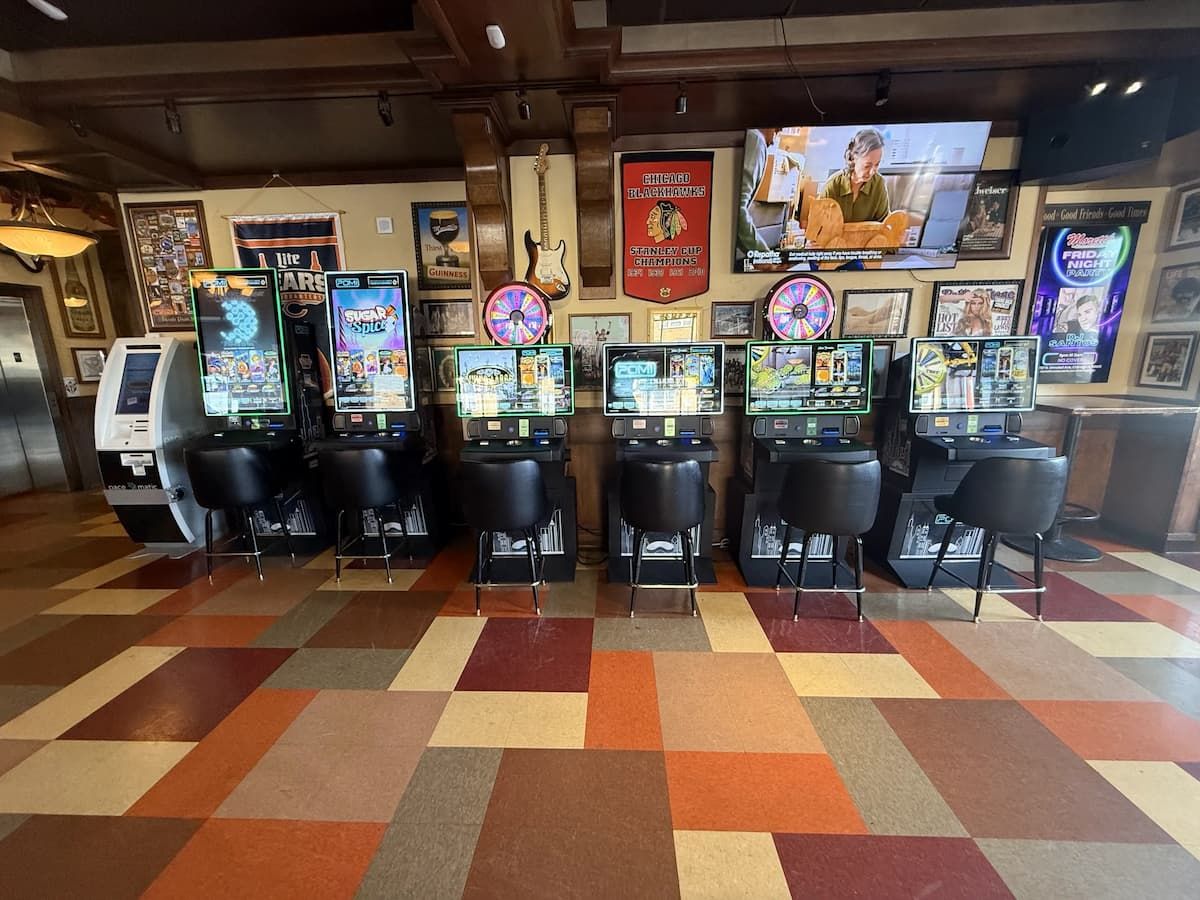
The measure was introduced by Ald. Anthony Beale. It aimed to prohibit terminals that resemble traditional slot machines but operate outside Illinois’ regulated gaming framework. These devices offer so-called free play options and provide coupons to winners instead of direct cash payouts. Because of this structure, they are not treated as licensed gambling machines under current state regulation.
According to Beale, the city is aware of roughly 7,000 sweepstakes machines currently in operation. During the council meeting, he stated that some neighborhoods have between 20 and 30 machines inside a single gas station. He described these setups as effectively functioning like unlicensed mini casinos that do not generate tax revenue for the city.
With the proposal rejected, these machines will remain in place while broader debates over gambling policy in Chicago continue.
Longstanding Presence in Bars and Convenience Stores
Sweepstakes machines have been operating in Chicago for more than a decade. They are commonly found in bars, restaurants, convenience stores, gas stations, and laundromats.
Supporters of the ban argued that the machines divert revenue away from licensed gambling operators while contributing no direct tax income to the city. Because they fall outside the state’s regulated gaming structure, they are not subject to the same licensing requirements or tax obligations as approved gambling devices.
However, city officials acknowledged enforcement challenges. Ivan Capifali, commissioner of the Department of Business Affairs and Consumer Protection, told alderpersons that Chicago lacks both the authority and the resources to remove the machines directly. Instead, the city often issues unrelated code violations to businesses that host them.
This enforcement limitation was part of the broader discussion surrounding the proposed ban.
Opposition Focused on Business Impact
Opponents of the measure argued that prohibiting sweepstakes machines would disproportionately affect certain business owners. Ald. Jason Ervin, one of the leading critics of the ban, stated that many African American businesses have been excluded from opportunities in the marijuana and video gaming terminal sectors.
According to Ervin, sweepstakes machines represent one of the few gaming-related business options currently accessible to these operators in a legal sense. He argued that removing the machines would cause harm to local businesses while delivering limited financial benefit to the city.
The debate therefore extended beyond regulatory classification and tax considerations, touching on access to gaming-related revenue streams for different groups of business owners.
Vote Comes Amid Expansion of Video Lottery Terminals
The decision on sweepstakes machines comes at a time when Chicago is preparing to expand regulated video lottery terminals, or VGTs. The City Council authorized VGTs as part of the city’s 2026 budget.
Supporters of the rejected ban argued that allowing unregulated sweepstakes machines to continue operating undermines the city’s efforts to generate revenue from newly authorized VGTs. Beale, who backed both the ban and the legalization of VGTs, was among the strongest supporters of expanding regulated terminals.
City officials project that video gambling licenses could generate approximately $6.8 million in annual revenue, assuming around 3,300 establishments eventually install terminals.
However, the legalization of VGTs has faced opposition from Mayor Brandon Johnson and some aldermen. Johnson has argued that VGT expansion could divert revenue from the city’s planned permanent casino operated by Bally’s. He also stated that VGT legalization could potentially conflict with terms in the city’s host community agreement with the casino operator. According to the mayor, slot revenue in Illinois is taxed at roughly four times the rate applied to VGTs.
Bally’s Signals Possible Legal Action
One day before the council vote, Bally’s renewed its opposition to the broader rollout of VGTs in Chicago. In a letter to City Council members, the company warned that it could pursue legal action if the city permits widespread deployment of the machines.
Bally’s stated that large-scale VGT expansion would fundamentally alter the economics underlying its casino agreement with Chicago and could require renegotiation of key terms. The company said it is prepared to seek legal remedies if necessary.
Last year, Bally’s estimated that widespread legalization of VGTs could reduce city revenue by $74 million annually and put up to 1,050 jobs at risk. The company also noted that Chicago’s budget framework could eventually allow nearly 19,800 VGTs citywide. According to Bally’s, that number would be comparable to creating almost five casinos of similar size within city limits.
Our Assessment
The City Council’s rejection of the sweepstakes machine ban leaves an estimated 7,000 devices in operation while Chicago moves forward with the expansion of regulated VGTs. The decision highlights unresolved questions around enforcement authority, tax revenue, and competitive dynamics between unregulated devices, newly authorized VGTs, and the planned Bally’s casino. At the same time, the debate reflects differing positions within city leadership on how gambling policy should balance revenue generation, regulatory control, and business access.
need press exposure?
We deliver solutions to any topic in the iGaming niche.