Former Candidate Demands Inquiry Into UK Gambling Commission
Former Candidate Demands Inquiry Into Gambling Commission – How an Election Betting Investigation Triggered a Call for Regulatory Review
Key Takeaways
- Kevin Craig seeks a parliamentary inquiry into the UK Gambling Commission after an investigation into his political betting was dropped due to insufficient evidence.
- The former Labour candidate staked £800 on his Conservative opponent to win a 2024 parliamentary seat, resulting in a pre-election suspension.
- Craig claims the regulator leaked the investigation to the media, arguing this action directly impacted the election outcome in his constituency.
- The self-funded campaign calls for the Culture, Media and Sport Select Committee to review the regulator’s operations, funding allocation, and approach to the black market.
Investigation leak allegedly altered election outcome
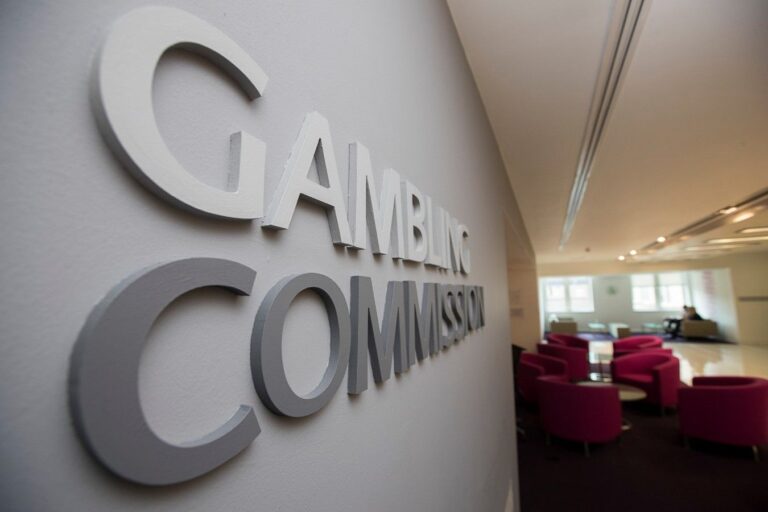
Kevin Craig, the former Labour candidate for Central Suffolk and North Ipswich, is calling for a formal inquiry into the Gambling Commission. The 55-year-old founder and chief executive of lobbying firm PLMR claims the regulator interfered with a democratic process by launching and subsequently leaking an investigation into his betting activity nine days before the 2024 general election. Craig states the notification letter should have remained private and blames the regulator for the information reaching the press.
The ensuing media coverage led the Labour party to suspend Craig on 25 June 2024, minutes after hearing from the Commission. He ultimately lost the constituency race to Conservative candidate Patrick Spencer by 4,290 votes. Craig argues that the leak cost Labour the seat, citing internal polling that showed him performing well and demographic comparisons to the 2019 election, where Conservatives secured the district by a margin of 23,391 votes.
His initial candidacy carried existing controversy prior to the betting incident. Craig was the only name on the candidate shortlist, prompting critics to accuse him of purchasing the selection following his £100,000 donation to the Labour party.
Regulator drops case after six months due to insufficient evidence
The regulatory probe focused on an £800 bet Craig placed on his Conservative opponent to win the parliamentary seat. He expected a return of £400 from the wager, which he stated was made weeks prior to the election when he believed a victory was impossible. He planned to donate any potential winnings to charity, though he publicly apologized at the time of his suspension and categorized the bet as a massive error in judgment.
The Gambling Commission formally closed its investigation in December 2024. The regulator informed Craig that there was not enough evidence to meet the full code test for prosecution. Following the dismissal of the case, the Labour party readmitted him as a member. Craig maintains he never violated any laws or regulations, noting that betting on political outcomes is legal in the UK.
He draws a strict distinction between his personal wager on a constituency outcome and the broader investigations into bets placed on the actual date of the general election. That separate inquiry resulted in a guilty plea from former Conservative MP Craig Williams and suspended sentences for three individuals, including former party staffer Amy Hind. Ten additional individuals are scheduled to face trial regarding the election date bets across 2027 and 2028.
Self-funded campaign targets regulatory efficacy and resource allocation
Craig is now urging the Culture, Media and Sport Select Committee to scrutinize the efficacy and professionalism of the regulator. He is fully self-funding this effort, explicitly stating that no gambling industry money is involved in the campaign. PLMR senior adviser Leon Emirali serves as the broadcast contact, though Craig asserts his firm has not represented gambling operators or trade bodies in the past five years.
Describing himself as a lifelong horse racing enthusiast and football fan, Craig states the UK gambling industry provides significant social good as a major taxpayer. The campaign outlines several specific areas for parliamentary review, questioning whether the Commission improperly uses quasi-public funds for lobbying and campaigning rather than directing resources toward clinical treatment for gambling harm.
He raises questions regarding the statistical integrity of the regulator’s figures and its enforcement of pre-election “purdah” rules. The former candidate points to the growth of the illegal betting market, suggesting a potential link between the over-regulation of licensed operators and black market expansion. He seeks scrutiny over the exemption of Commission staff from Business Appointment Rules. The Gambling Commission declined to comment on the allegations.
Our Assessment
The demand for a parliamentary inquiry highlights escalating tensions between the regulatory body and individuals subjected to its public investigations. Craig’s campaign focuses heavily on the procedural timing and confidentiality protocols of the Gambling Commission during politically sensitive periods. The case illustrates the immediate political and professional impact of regulatory actions, regardless of the ultimate legal findings.
While the specific case regarding the £800 wager concluded without prosecution, the resulting fallout demonstrates the severe reputational consequences that high-profile probes can trigger. The proposed review of the Commission’s resource allocation, statistical reporting, and approach to the black market touches on broader industry debates regarding regulatory scope and operational transparency.
need press exposure?
We deliver solutions to any topic in the iGaming niche.