Dutch Gambling Sector Warns of Black Market Shift After Tax Hike
Dutch Gambling Stakeholders Warn of Black Market Growth After Tax Hike and Proposed Ad Ban
Key Takeaways
- The Netherlands increased gambling tax to 37.8% of GGR in January 2026, completing a two phase reform.
- According to VNLOK, 70% of licensed online operators reported losing more than a quarter of their GGR compared to 2024 after the tax increase.
- Political discussions are ongoing about introducing a full ban on gambling advertising, extending beyond the current sports focused restrictions.
- Industry representatives and the Dutch regulator KSA publicly warned that stricter measures could accelerate player migration to illegal operators.
Industry and Regulator Meet in Amsterdam to Address Market Pressure
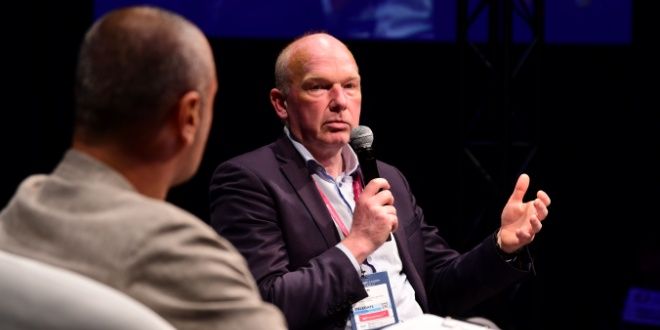
Dutch gambling stakeholders gathered in Amsterdam during the Gaming in Holland conference to discuss the impact of recent regulatory changes on the licensed online market. The discussions focused on how higher taxes and potential new restrictions are affecting legal operators and, by extension, consumer behavior.
Since the Netherlands re regulated its online gaming market in 2021, lawmakers and authorities have introduced a series of reforms aimed at creating what they describe as a level playing field for licensed providers. These changes have included adjustments to taxation and advertising rules. According to statements made at the conference, not all measures have produced the intended results.
Representatives from FDJ United, which operates in the Netherlands through the Unibet brand following its acquisition of Kindred, and from the trade association VNLOK took part in the debate. Their main message was that current policies risk weakening the competitiveness of the regulated market.
Tax Increase to 37.8% of GGR and Reported Revenue Declines
The most significant recent change is the increase in gambling tax, introduced in two phases. The final phase took effect in January 2026, bringing the rate to 37.8% of gross gaming revenue. Gross gaming revenue, or GGR, refers to the difference between the total amount wagered and the winnings paid out to players.
According to VNLOK, the tax rise has had measurable financial effects on licensed operators. The trade body reported that 70% of online license holders experienced a decline of more than 25% in total GGR compared to 2024 levels after the higher tax rates were implemented.
Industry representatives argue that increased tax burdens lead to higher costs for operators, which can translate into less competitive offers for players. During the Amsterdam discussions, stakeholders stated that this dynamic appears to have prompted some players to move away from the regulated market.
Debate Over a Proposed Full Advertising Ban
In addition to tax changes, Dutch policymakers are considering further restrictions on gambling advertising. At present, advertising limitations mainly apply to sports related promotions. The current political debate centers on the possibility of extending this into a full ban on gambling advertising.
VNLOK Chair Bjorn Fuchs addressed this issue directly at the conference. He stated that regulation should prioritize consumer protection while remaining proportionate and evidence based. According to Fuchs, policies that fail to consider broader market consequences can end up harming the very consumers they are meant to protect.
The concern expressed by industry participants is that a comprehensive advertising ban would reduce the visibility of licensed operators without simultaneously curbing the presence of illegal providers. This, they argue, could further shift players toward unlicensed platforms.
Dutch Regulator Signals Caution on Further Restrictions
The Dutch Gambling Authority, known as KSA, also took part in the discussions. Ella Seijsener, Director of Licensing and Supervision at KSA, indicated that the regulator has previously spoken out against a total ban on advertising for online providers.
Seijsener further noted that KSA remains cautious regarding another proposal currently under discussion: limiting the number of legal iGaming operators in the Netherlands. According to statements made at the event, the regulator is attentive to how such measures might affect the overall balance between the licensed market and illegal alternatives.
The conference highlighted that, despite differences between policymaking and regulatory enforcement, there is some alignment between the regulator and industry representatives on the risks associated with overly restrictive measures.
Concerns About the Black Market
Pascal Chaffard, Chief Online Betting and Gaming Officer at FDJ United, addressed what he described as the central issue: the growth of illegal operators. He stated that restrictive measures targeting licensed operators, without parallel action against illegal providers, risk worsening the problem.
Chaffard emphasized that the black market does not respect national borders. He argued that responses to illegal gambling activity therefore require coordination between operators and regulators. According to his remarks, preventing further migration to unlicensed platforms cannot be achieved by individual actors alone.
These statements reflect a broader concern raised throughout the Amsterdam gathering: that tighter restrictions on legal operators, combined with high taxation, may reduce the attractiveness of the regulated market and unintentionally strengthen unlicensed competition.
Our Assessment
The discussions in Amsterdam show that the Dutch online gambling market is at a turning point. The tax rate has risen to 37.8% of GGR, and a significant share of licensed operators report revenue declines compared to 2024. At the same time, policymakers are considering additional restrictions, including a full advertising ban and limits on the number of license holders.
Both industry representatives and the Dutch regulator have publicly acknowledged the risk that stricter measures could push players toward illegal operators. For international users comparing crypto betting and online gambling platforms, the situation in the Netherlands illustrates how taxation and advertising rules can directly affect market structure, operator competitiveness, and the balance between licensed and unlicensed offerings.
need press exposure?
We deliver solutions to any topic in the iGaming niche.