Tennessee Appeals Kalshi Ruling on Sports-Event Contracts
Tennessee Attorney General Appeals Kalshi Ruling – Sixth Circuit to Decide on State Authority Over Sports-Event Contracts
Key Takeaways
- Tennessee Attorney General Jonathan Skrmetti has filed an opening brief with the US Court of Appeals for the Sixth Circuit to reverse a lower court ruling in favor of Kalshi.
- A preliminary injunction previously blocked Tennessee from enforcing its sports wagering laws against Kalshi.
- The state argues that Kalshi’s sports-event contracts constitute sports betting under Tennessee’s Sports Gaming Act.
- Kalshi maintains that its contracts qualify as swaps under the Dodd-Frank Act and fall under the jurisdiction of the Commodity Futures Trading Commission.
- Similar legal disputes involving Kalshi are ongoing in Ohio, Rhode Island, and other states.
Tennessee Seeks to Reinstate Enforcement of State Sports Wagering Laws
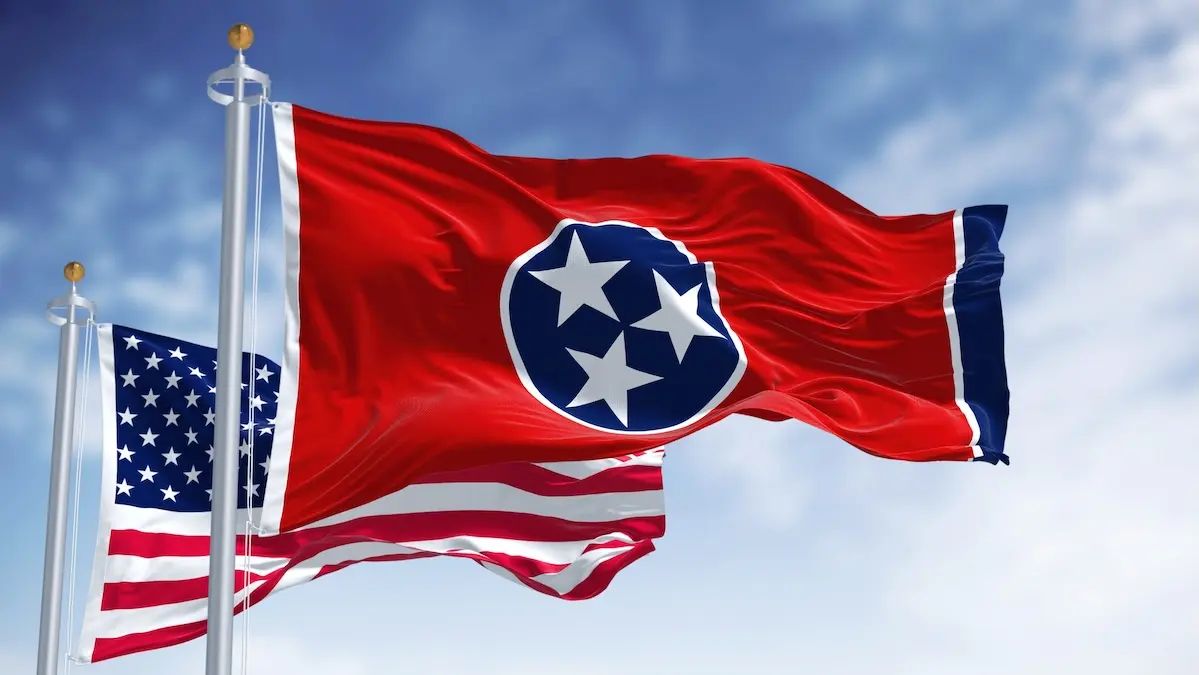
Tennessee Attorney General Jonathan Skrmetti has formally asked the United States Court of Appeals for the Sixth Circuit to overturn a lower court decision that prevented the state from enforcing its sports wagering laws against prediction market operator Kalshi.
The appeal follows a preliminary injunction granted in February by a Tennessee judge. That injunction allowed Kalshi to continue offering sports-event contracts in the state while blocking regulators from taking enforcement action under Tennessee’s Sports Gaming Act.
In his opening brief, Skrmetti argues that Kalshi’s products function as sports betting and therefore fall within the scope of Tennessee’s existing regulatory framework. According to the Attorney General, the contracts offered by Kalshi resemble wagers available through licensed sportsbook operators such as DraftKings, FanDuel, and BetMGM.
For users of sports betting and prediction platforms, the outcome of this appeal could influence whether such products are treated as regulated sports wagers at the state level or as federally supervised financial instruments.
Core Legal Dispute: Sports Betting or Federally Regulated Swaps
At the center of the case is a disagreement over how Kalshi’s contracts should be classified under US law.
Tennessee regulators contend that the contracts are effectively bets on sports outcomes. Under that interpretation, they would be subject to the state’s Sports Gaming Act. The Attorney General’s office maintains that these laws are designed to ensure consumer protections, responsible gambling safeguards, tax contributions to the state’s education system, and transparent operations.
Kalshi disputes that characterization. The company argues that its event contracts qualify as swaps under the federal Dodd-Frank Act. On that basis, Kalshi asserts that its platform falls exclusively under the jurisdiction of the Commodity Futures Trading Commission and is not subject to individual state sports betting regulations.
In his public remarks, Skrmetti stated that labeling the contracts as swaps does not change what he considers their underlying nature as sports gambling. He also argued in the appeal that federal laws governing swaps were developed after the 2008 financial crisis and did not contemplate sports wagering products of this kind.
The Sixth Circuit will now review these arguments on an expedited basis.
Related Proceedings in Ohio and Other States
The Tennessee case is not occurring in isolation. The Sixth Circuit is also handling a related case from Ohio on an expedited schedule, indicating broader judicial scrutiny of prediction market platforms offering sports-related contracts.
Beyond Tennessee and Ohio, Kalshi has initiated legal action in multiple states in response to enforcement efforts. Most recently, the company filed suit in Rhode Island after Attorney General Peter Neronha submitted a 32-page complaint in Providence County Superior Court. In that complaint, Neronha accused Kalshi and rival platform Polymarket of offering illegal sports betting within the state.
These parallel disputes suggest that state regulators in several jurisdictions are examining whether prediction market products tied to sports events fall under existing gambling statutes.
Mixed Court Outcomes for Prediction Market Operators
Despite facing increasing legal challenges, Kalshi has recorded some courtroom successes.
The preliminary injunction granted in Tennessee in February allowed the company to continue operating in the state while the legal dispute proceeds. That decision directly prompted the current appeal by Attorney General Skrmetti.
In April, Kalshi also saw a favorable ruling in New Jersey. A federal court there determined that the state could not regulate prediction markets, providing support for Kalshi’s argument that its activities fall under federal oversight rather than state gambling laws.
These differing outcomes illustrate the fragmented legal environment surrounding prediction markets in the United States. While some courts have limited state regulatory authority, others are now being asked to reconsider whether such platforms should be treated similarly to licensed sportsbooks.
What the Case Means for Sports Betting and Prediction Markets
For users who compare sportsbooks, crypto betting platforms, and event contract providers, the classification of products such as Kalshi’s has practical implications.
If courts determine that sports-event contracts are equivalent to sports wagers, operators may be required to obtain state licenses and comply with local rules on consumer protection, taxation, and responsible gambling measures. If, however, such products are confirmed as federally regulated swaps, oversight would remain with the Commodity Futures Trading Commission, potentially limiting direct state intervention.
The expedited review by the Sixth Circuit signals that the legal question carries significance beyond a single operator or state. The ruling could help clarify the boundary between state regulated sports betting and federally supervised prediction markets.
Our Assessment
The appeal filed by Tennessee Attorney General Jonathan Skrmetti places the regulatory status of sports-event contracts before the Sixth Circuit at a time when multiple states are challenging prediction market operators. The case focuses on whether Kalshi’s contracts fall under Tennessee’s Sports Gaming Act or under federal commodities law as swaps regulated by the Commodity Futures Trading Commission. With related proceedings underway in Ohio and Rhode Island and prior rulings in Tennessee and New Jersey producing differing outcomes, the court’s decision may shape how states and federal authorities divide oversight of sports-related prediction markets.
need press exposure?
We deliver solutions to any topic in the iGaming niche.