US Lawmakers Propose Federal Study on Sports Betting Harms
US Lawmakers Introduce Gambling Disorder Health Study Act – Federal Study Would Be Funded by Sports Betting Excise Tax Revenue
Key Takeaways
- Representatives Blake Moore and Dan Goldman introduced the Gambling Disorder Health Study Act on June 4.
- The bill would fund a multi-year federal study into gambling disorder and related harms.
- Up to 10% of federal excise tax revenue from state-authorized wagers would finance the study for three fiscal years.
- Thirty-nine US states, plus Washington, D.C., and Puerto Rico, had operational legal sports betting markets by 2025.
- Several addiction and public health organizations have formally endorsed the legislation.
Bipartisan Bill Seeks Federal Research Into Gambling Disorder
Two members of the US House of Representatives have introduced bipartisan legislation aimed at launching a national study into gambling addiction and its broader policy implications.
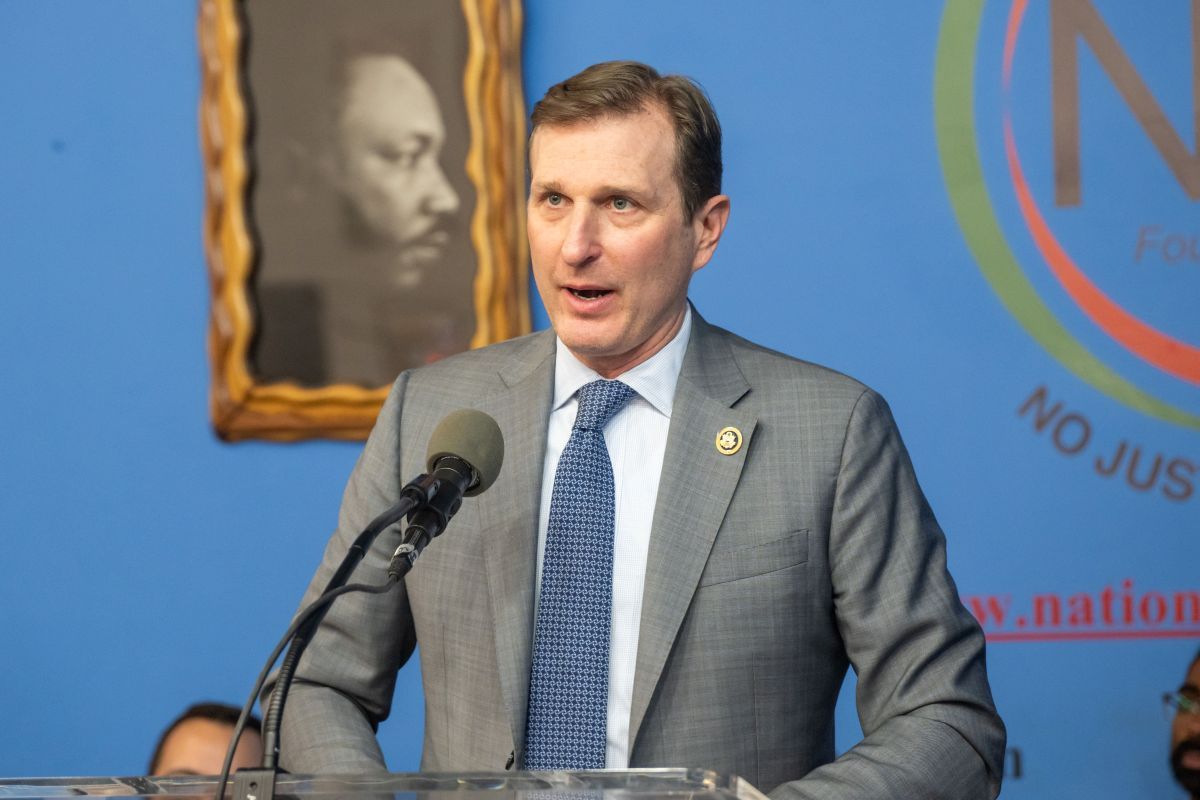
Representatives Blake Moore, a Republican from Utah, and Dan Goldman, a Democrat from New York, presented the Gambling Disorder Health Study Act on June 4. The proposal directs the federal government to conduct a comprehensive, multi-year investigation into the causes, development, and long-term effects of gambling disorder. It would also assess prevention, treatment, and intervention strategies.
Although sports betting has expanded significantly since the US Supreme Court overturned the federal ban in 2018, no federal agency is currently designated or funded to lead national research into gambling-related harms. The lawmakers argue that this gap persists despite the federal government collecting revenue from gambling activity through an excise tax.
Funding Mechanism Tied to Federal Excise Tax Revenue
The bill proposes to allocate up to 10% of federal excise tax revenue generated from state-authorized sports wagers to fund the study. This allocation would apply for up to three fiscal years.
Similar legislative efforts have previously sought to dedicate portions of the federal excise tax to gambling-related initiatives. In this case, the funding would specifically support a structured federal investigation and require the Secretary of Health and Human Services to submit annual reports to Congress detailing progress and policy recommendations.
The study would examine associated demographics, contributing factors, and policy implications of gambling disorder. It would also evaluate how existing prevention and treatment programs function and whether intervention strategies effectively address gambling-related harm.
Expansion of Legal Sports Betting in the United States
The legislation comes amid continued growth in the US legal sports betting market. By 2025, legal sports betting had expanded from a single state in 2017 to 39 operational states, along with Washington, D.C., and Puerto Rico.
Since 2018, Americans have placed 668 billion dollars in legal sports wagers, according to data cited by MarketWatch in the legislative announcement. Lawmakers linking the bill to these figures describe the expansion as a significant structural change in how gambling is accessed and consumed nationwide.
The press release accompanying the bill states that gambling addiction is now considered a significant public health concern, particularly in light of widespread digital access to sportsbooks and prediction markets.
Survey Data Highlights Online Sportsbook and Prediction Market Use
Recent survey findings cited in support of the bill point to high levels of engagement with online betting platforms. According to the Annual Sports Fanship Survey conducted by the Siena Research Institute and St. Bonaventure’s Jandoli School of Communication, 27% of Americans report having an active account with an online sportsbook.
Among men aged 18 to 49, more than half reported having such an account. The same study found that 33% of men in that age group reported using a prediction market to place a sports wager.
Lawmakers also referenced research indicating that internet searches for help with gambling addiction have increased by 23% since 2018. In addition, approximately 2% to 3% of the US population meets one or more diagnostic criteria for gambling disorder.
Gambling disorder is classified as a behavioral addiction in the Diagnostic and Statistical Manual of Mental Disorders, known as the DSM-5. Despite this classification, the bill’s sponsors state that no federal agency is currently tasked with leading coordinated national research into the condition.
Institutional Backing From Public Health and Advocacy Groups
At the time of its introduction, the Gambling Disorder Health Study Act received endorsements from several organizations active in addiction policy and problem gambling advocacy.
These include The Kennedy Forum, the Foundation on Drug Policy Solutions, and the New York Council on Problem Gambling. Additional support comes from the American Society of Addiction Medicine, Stop Predatory Gambling, Texans Against Gambling, and the National Council on Problem Gambling.
Representatives Moore and Goldman have described gambling addiction as a growing public health issue, particularly among young men. They argue that federal involvement is necessary to better understand the scale of the issue and to inform future policy responses.
Implications for the Regulated Sports Betting Market
The proposed legislation does not introduce new restrictions or direct regulatory measures for sportsbooks. Instead, it focuses on establishing a federally funded research framework.
For operators and users in the regulated market, the bill centers on data collection, evaluation of harm prevention strategies, and annual reporting to Congress. The allocation of excise tax revenue links the funding mechanism directly to activity within state-authorized betting markets.
If enacted, the study would represent a formal federal initiative to assess the public health impact of legalized sports betting at a national level.
Our Assessment
The Gambling Disorder Health Study Act would create a federally funded, multi-year investigation into gambling disorder and related harms, financed by up to 10% of excise tax revenue from state-authorized sports wagers. The proposal reflects the expansion of legal sports betting to 39 states, Washington, D.C., and Puerto Rico, and is supported by multiple addiction and public health organizations. While it does not impose new regulatory measures on operators, it establishes a structured federal research mandate with annual reporting requirements to Congress.
need press exposure?
We deliver solutions to any topic in the iGaming niche.