Pagcor Plans Structural Split as Gaming Revenue Falls in Q1 2026
Pagcor Plans Structural Split and New Online Gaming Law as Revenue Declines in Early 2026
Key Takeaways
- Philippine gross gaming revenue fell 16% year on year to PHP87.6 billion in Q1 2026.
- Online gaming revenue declined 23% year on year to PHP36.3 billion in the same period.
- Pagcor aims to separate its regulatory and operational roles and privatize Casino Filipino.
- Minimum guaranteed fees for online operators will take effect from June 1 and increase again from January 1.
- The regulator is pursuing a comprehensive online gaming law before June 30, 2028.
Revenue Growth Followed by Contraction in 2026
Philippine gaming regulator Philippine Amusement and Gaming Corporation (Pagcor) reported a 16% year on year decline in gross gaming revenue in the first quarter of 2026, with total revenue reaching PHP87.6 billion. The drop follows a period of rapid expansion that pushed annual gross gaming revenue to a record PHP396 billion last year, up from PHP214 billion in 2022.
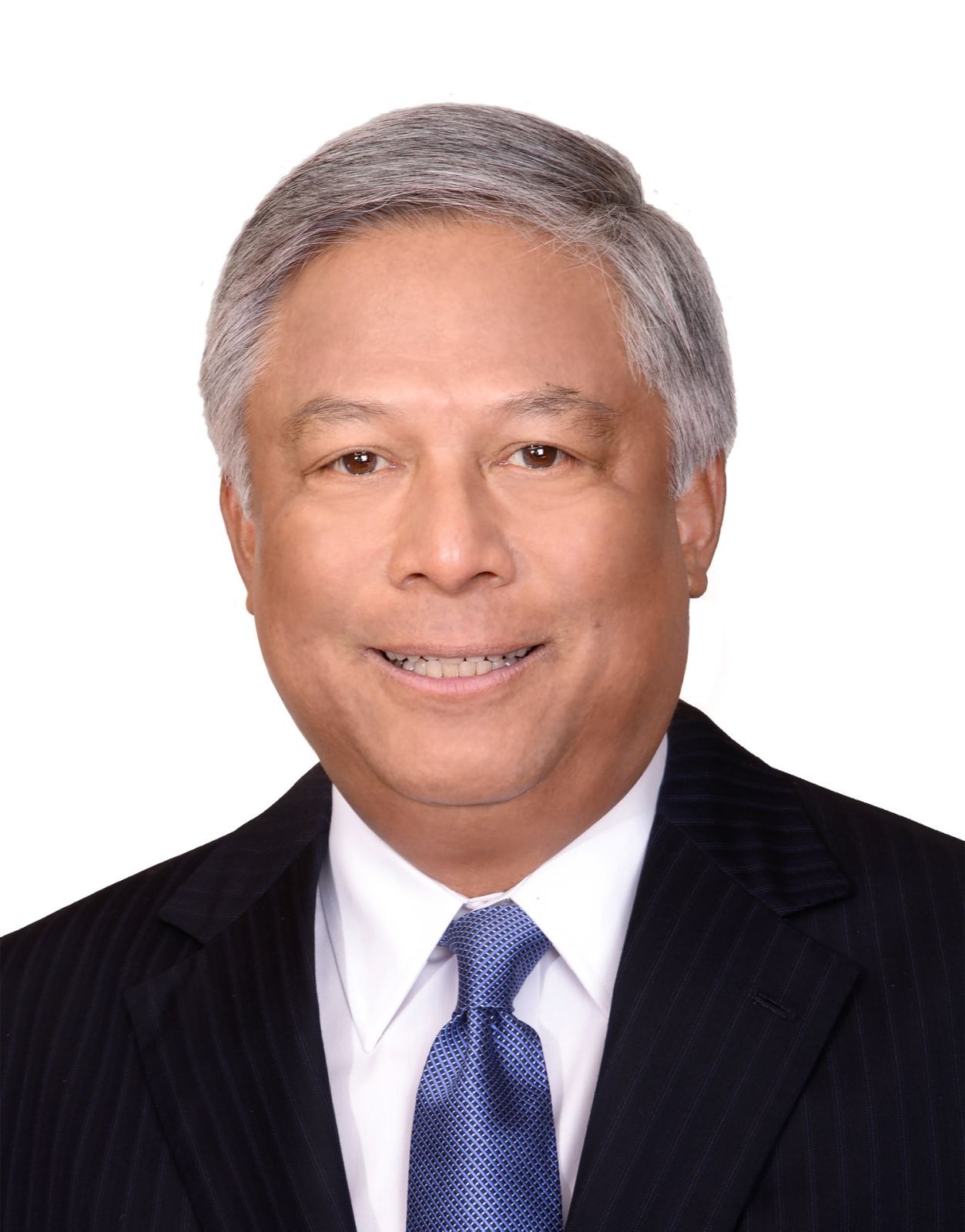
Online gaming recorded the sharpest contraction. Revenue from the segment fell 23% year on year to PHP36.3 billion in Q1 2026. According to Pagcor chairman and chief executive Alejandro Tengco, the core customer base for domestic online gaming includes lower income groups such as public transport workers and delivery personnel, who have been affected by higher fuel costs.
The decline also follows earlier volatility. Online gaming revenue peaked at PHP59.3 billion in the second quarter of 2025. After the Philippine central bank ordered e wallet providers to remove in app links to gaming platforms, revenue fell to PHP41.9 billion in Q3 2025, then to PHP36.8 billion in Q4 and PHP36.3 billion in Q1 2026.
Central Bank Restrictions and Regulatory Tightening
The Bangko Sentral ng Pilipinas directed payment platform apps in August to disable links to online gaming sites. The order took effect halfway through the third quarter of 2025. Pagcor is in ongoing discussions with the central bank to restore linking, arguing that stronger know your customer controls and AI powered monitoring tools can address concerns about underage gambling and compliance.
At the same time, Pagcor has tightened its own regulatory framework. The regulator reduced the online gaming tax rate from 55% to 30% under Tengco’s leadership. However, it also restricted marketing activities, limiting television advertising, eliminating billboards and curbing outdoor promotion. Player rebates have also been capped.
From June 1, Pagcor will introduce minimum guaranteed fees for online operators. Licensees offering online casino games must pay at least PHP9 million per month, based on assumed revenue of PHP30 million at the 30% rate. Operators without online casino products, including sports betting sites, must pay at least PHP3 million per month, based on PHP15 million in revenue. From January 1, those minimums will rise to PHP10.5 million and PHP4 million respectively.
Pagcor has delayed implementation in light of geopolitical tensions, but some long established operators are reportedly reviewing their presence in the market. The regulator is capped at 70 online licensees and currently has 63 active license holders. According to Tengco, 80% of online gaming fees are generated by 40% of operators.
Planned Separation of Regulatory and Operational Roles
A central objective for Tengco before the end of his term on June 30, 2028 is to separate Pagcor’s regulatory functions from its gaming operations. Currently, Pagcor both regulates the market and operates Casino Filipino, a network of 38 remaining gaming venues.
Many Casino Filipino branches operate in leased premises and are subject to a requirement to allocate 70% of gross gaming revenue to public agencies. Tengco stated that most of these venues continue to generate losses, and several have already closed.
Privatization would remove the 70% allocation requirement and replace it with standard license fees of around 25% of gross gaming revenue, plus applicable business taxes. The proposal is under evaluation by the Governance Commission for Government Owned or Controlled Corporations. Tengco said he expects a decision that would allow privatization to begin by the end of the year.
If implemented, the restructuring would significantly reduce Pagcor’s workforce, currently around 8,000 employees, most of whom work in Casino Filipino operations. The regulator has stated that affected employees would receive retirement packages and additional incentives.
Impact of POGO Termination on Land Based Casinos
Land based revenue has also been affected by the termination of Philippine Overseas Gaming Operator activities from the end of 2024. Before the ban was announced in July 2024, an estimated 350,000 POGO workers were present in the country, many of whom frequented local casinos.
Pagcor acknowledged that licensing fees from POGOs and associated casino activity had been significant contributors to revenue. The loss of these fees contributed to lower overall income in 2025, despite record gross gaming revenue.
Licensing of Overseas Game Suppliers
Pagcor has started licensing overseas online game providers. According to the regulator, some suppliers have operated in the country without local authorization and have supplied both licensed and unlicensed platforms.
Tengco stated that discussions are ongoing with international game suppliers to bring them under the Philippine licensing framework. The regulator expects this process to limit the availability of content to unlicensed operators and strengthen oversight of the domestic market.
Comprehensive Online Gaming Law Under Consideration
Beyond operational changes, Tengco is seeking legislative approval for a comprehensive online gaming law. The aim is to codify and standardize regulation of the online sector, which has expanded rapidly in recent years.
Lawmakers have raised concerns about the social impact of online gambling. Pagcor has positioned tighter controls, enhanced KYC procedures and supplier licensing as part of its effort to demonstrate regulatory capacity while preserving the sector.
Our Assessment
Pagcor is pursuing structural reform, stricter regulation and legislative backing at a time when gaming revenue is declining. Falling online income, the termination of POGO activities and tighter payment channel controls are reshaping the Philippine market. For operators and players, upcoming minimum fees, potential supplier licensing requirements and the proposed separation of regulatory and operational functions signal further changes in market structure and compliance obligations through 2028.
need press exposure?
We deliver solutions to any topic in the iGaming niche.