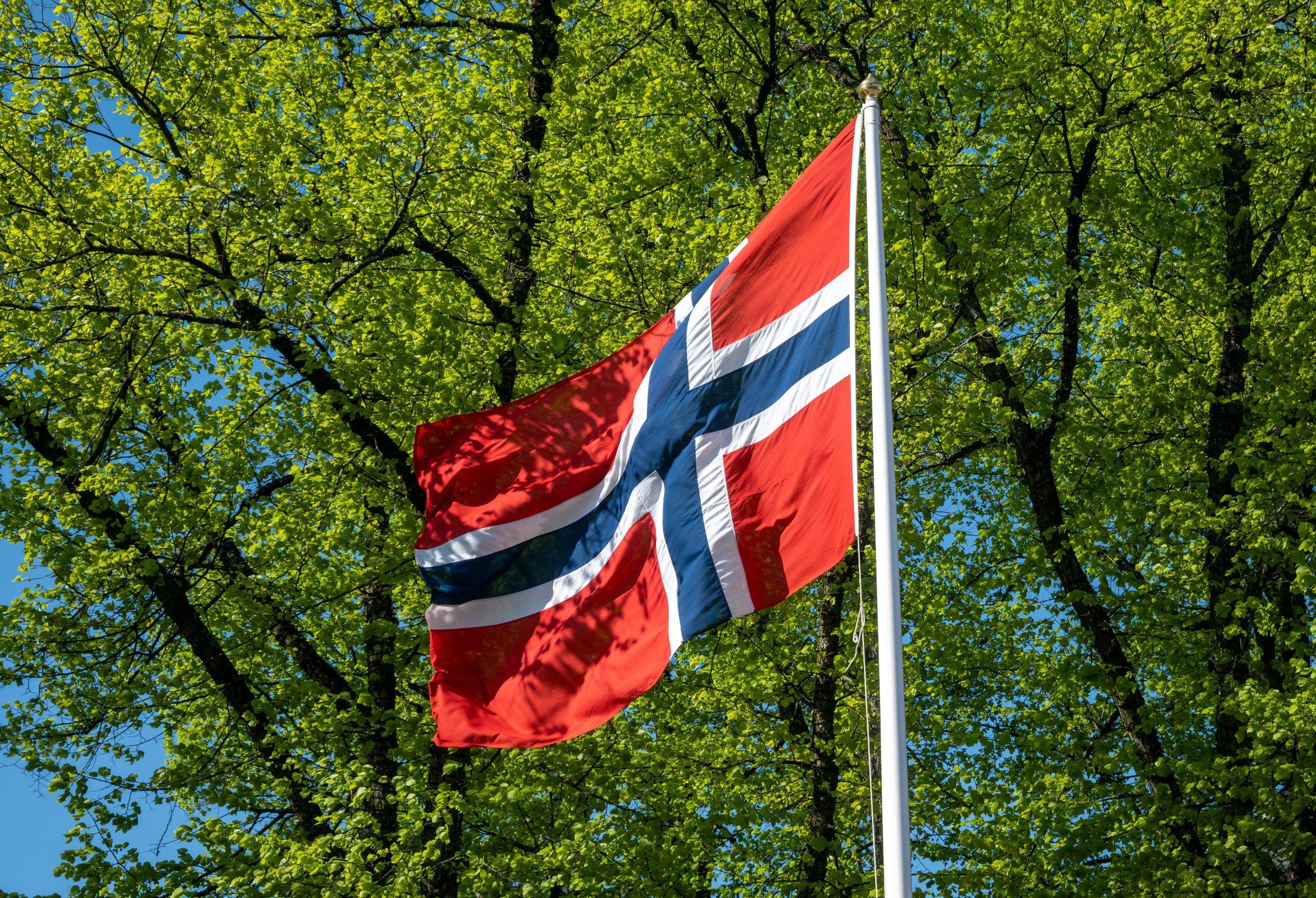
Progress Party Reaffirms Plan to End Norway’s Gambling Monopoly
Norway’s Progress Party Reaffirms Plan to End Gambling Monopoly – Licensed Model Back on Political Agenda
Key Takeaways
- Norway’s Progress Party has reiterated its intention to replace the current gambling monopoly with a licensed online model.
- Senior politician Himanshu Gulati made the statement at the annual Spillkonferansen gambling conference.
- The party has supported a licensing system since at least 2021 and considers it a top cultural policy priority in the event of a change in government.
- The Labour Party currently leads parliament with 53 seats, while the Progress Party holds 48 seats following the 2025 general election.
- Recent incidents at state operator Norsk Tipping and low channelisation rates were cited as reasons to reassess the monopoly model.
Progress Party Positions Licensing Reform as Top Priority
Himanshu Gulati, a senior representative of Norway’s Progress Party (Fremskrittspartiet, FrP), has restated the party’s commitment to dismantling the country’s long standing gambling monopoly and introducing a licensed online gambling framework.
Speaking at the annual Spillkonferansen industry conference, Gulati said that moving to a licensing model would be the party’s most important cultural policy issue if it returns to government. He described the reform as a matter of principle and pragmatism, aligned with the Progress Party’s broader political agenda.
According to Gulati, he has argued internally for years that a change in government should be followed by a shift to a licence based system in the gambling sector. The party first formally called for an end to the monopoly in 2021 and has since repeated that position in public forums.
Current Political Landscape in Norway
Norway held a general election in September 2025. The Labour Party was re elected, securing 28.2 percent of the vote and 53 seats in parliament. The Progress Party increased its representation, winning 24 percent of the vote and 48 seats.
This makes the Progress Party the second largest party in parliament. While it is not currently in government, its parliamentary strength places gambling reform back into political debate, particularly if future coalition dynamics shift.
For users and operators monitoring market access in the Nordic region, the balance of power in parliament is central. Any move away from the monopoly model would require political support sufficient to pass legislative changes.
Arguments Against the Existing Monopoly Model
Norway’s gambling market is currently dominated by the state controlled operator Norsk Tipping. The monopoly model has traditionally been justified on the basis that revenues are directed to sports, culture, and voluntary organisations.
However, Gulati questioned whether the existing framework still achieves this objective effectively. He pointed to low channelisation rates and the growth of offshore gambling operators as factors that challenge the system’s effectiveness.
Channelisation refers to the proportion of players using regulated domestic offerings rather than unlicensed alternatives. Gulati asked whether the current model continues to generate the highest possible returns for its stated social purposes.
Previous statements from the Progress Party have also highlighted concerns about money flowing out of Norway to offshore operators without contributing to domestic sports or cultural funding.
Operational and Compliance Concerns at Norsk Tipping
Recent incidents involving Norsk Tipping have intensified scrutiny of the monopoly system. These include a technical error that resulted in incorrect lottery payouts and a separate issue related to Eurojackpot that exposed weaknesses in internal controls.
These incidents led to regulatory attention and financial penalties. Reports have also raised concerns about development standards, operational quality, and platform performance, including user experience shortcomings.
While these events do not automatically imply structural failure, they have become part of the broader political discussion about whether a monopoly structure ensures sufficient oversight, resilience, and consumer protection.
International Comparisons Raised at Industry Conference
During his remarks, Gulati stated that Norway’s monopoly model stands alone in Europe. He referenced developments in other jurisdictions that have moved away from similar frameworks.
Finland, for example, is preparing to launch a liberalised iGaming market in 2027. As of last week, 50 operators had applied for licences under the new system. Gulati also mentioned Albania as a country that has transitioned away from a monopoly approach.
These examples were used to argue that regulatory reform is feasible and already underway in other European markets.
Focus on Problem Gambling and Match Fixing
Despite advocating structural reform, Gulati emphasised that efforts to combat problem gambling must remain coordinated and consistent, regardless of political position.
Norway recently introduced a four year action plan aimed at preventing and treating problem gambling. Gulati stated that even those who favour strict or prohibitive policies should agree on the need for effective and unified measures against gambling related harm.
The Spillkonferansen agenda also addressed match fixing. Gulati underlined that there is broad political consensus against such corruption and suggested that policy reforms could improve detection and deterrence mechanisms.
Our Assessment
The Progress Party has formally renewed its commitment to replacing Norway’s gambling monopoly with a licensed online model. Although the party is not currently in government, it holds 48 parliamentary seats and remains the second largest political force in the country.
Recent operational issues at Norsk Tipping, combined with concerns about offshore gambling activity and low channelisation, have added momentum to the debate. Any concrete change would depend on future political developments, but the issue is now clearly positioned as a priority for the Progress Party and part of Norway’s ongoing gambling policy discussion.
need press exposure?
We deliver solutions to any topic in the iGaming niche.