EGBA Files Complaint in Lithuania Over Alleged Illegal Gambling Payments
EGBA Files Complaint Against Lithuanian Fintech Over Alleged Black Market Gambling Payments – Focus Turns to Payment Providers in EU Enforcement Debate
Key Takeaways
- The European Gaming and Betting Association has filed a complaint with the Bank of Lithuania over alleged payment processing for illegal gambling operators.
- The complaint concerns Lithuanian licensed payments provider Walletto.
- EGBA estimates the illegal gambling market in Europe at around 18 billion euros, or 27 percent of the total domestic online market.
- The association is calling for stricter EU-wide rules for financial service providers and card schemes.
Complaint Filed With the Bank of Lithuania
The European Gaming and Betting Association has raised concerns about the role of payment providers in supporting illegal online gambling activities. Following an investigation in Lithuania, the industry body filed a complaint with the Bank of Lithuania alleging that Walletto, a locally licensed payments provider, facilitated transactions to illegal online gambling operators.
According to EGBA, access to mainstream payment services is a key enabler for unlicensed gambling platforms. The association stated that illegal operators cannot operate at scale without the ability to process deposits and withdrawals through the same financial channels used by regulated businesses and everyday consumers.
The complaint itself has not been officially detailed beyond the allegation that Walletto processed payments linked to illegal operators. It has not been confirmed who initially raised the issue with EGBA. The source material indicates that either Betsson or Entain could have submitted the complaint to the association, as both companies are licensed in Lithuania and are members of EGBA.
Illegal Gambling Market Estimated at 18 Billion Euros
In outlining the broader context, EGBA estimates that the illegal gambling market in Europe is worth approximately 18 billion euros. According to the association, this represents 27 percent of the total domestic online gambling market share.
These figures highlight the scale of unlicensed activity within the European online gambling sector. Licensed operators, which must comply with national regulations and consumer protection standards, face competition from offshore or unauthorized platforms that operate outside established licensing regimes.
EGBA argues that the continued availability of payment services allows these illegal operators to evade regulatory controls. As long as consumers can fund accounts using familiar payment methods and card networks, unlicensed websites can continue to target European users.
Payment Providers and Card Schemes Under Scrutiny
The association has emphasized that financial intermediaries play a central role in either enabling or restricting illegal gambling activity. In its statement, EGBA said payment providers should not be allowed to process transactions for illegal operators.
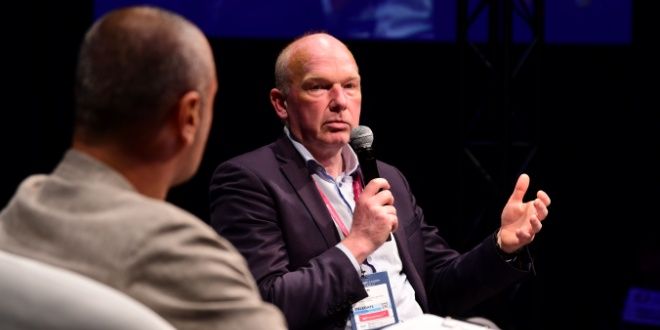
Maarten Haijer, Secretary General of EGBA, stated that illegal operators exploit legitimate financial channels and mainstream payment networks relied upon by consumers. He added that the objective is to remove the payment channels that allow such operators to reach customers in the European Union.
EGBA also pointed to card schemes as key actors in the payments ecosystem. According to the association, card networks are uniquely positioned because they set the operational rules for payment systems and have visibility over transaction flows. As a result, EGBA believes they have a crucial role in preventing illegal gambling-related transactions.
Call for Stricter EU-Wide Regulation
In response to the Lithuanian case, EGBA is calling for stricter regulation at the European Union level concerning how financial service providers interact with gambling websites. The association argues that stronger and more consistent oversight of payment processing could limit the operational capacity of unlicensed platforms.
Licensed gambling operators have in recent years increased cooperation with national regulators and other stakeholders to protect regulated markets from black market activity. Despite these efforts, EGBA notes that the ease with which payments can still be made to illegal platforms remains a recurring issue.
The complaint to the Bank of Lithuania represents a concrete enforcement step at the national level. It also underscores a broader policy debate about whether existing regulatory frameworks sufficiently address the financial infrastructure that supports illegal gambling operations.
Implications for Operators and Payment Partners
For licensed gambling operators, the case highlights the competitive and compliance challenges posed by black market platforms. When unlicensed websites can access the same payment channels as regulated businesses, they can offer services to consumers without adhering to domestic regulatory standards.
For payment providers and fintech companies, the complaint signals increased scrutiny regarding transaction monitoring and due diligence processes. Authorities and industry bodies may expect stronger controls to prevent the processing of payments linked to unauthorized gambling sites.
For users of online betting and casino platforms, particularly those evaluating crypto and alternative payment options, the case illustrates how payment access remains central to market availability. If regulators tighten oversight of financial channels, this could directly affect how deposits and withdrawals are handled across different jurisdictions.
Our Assessment
The complaint filed by EGBA against Walletto brings renewed attention to the role of payment providers in the European illegal gambling market. With the association estimating that 27 percent of the online market operates outside licensed frameworks, financial infrastructure has become a focal point of enforcement efforts. The outcome of the Lithuanian case and any subsequent regulatory response may influence how payment services, card schemes, and licensed operators address transaction monitoring and compliance across the EU.
need press exposure?
We deliver solutions to any topic in the iGaming niche.