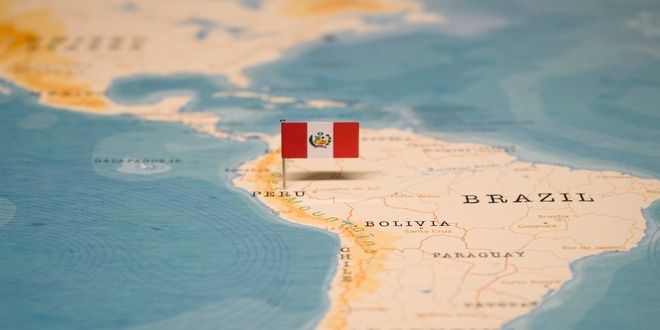
Peru’s Gambling Market Nears 100 Licenses Amid Growing Competition
Peru’s Flexible Gambling Regulation Attracts Operators – Growing Number of Licenses Intensifies Competition
Key Takeaways
- Peru launched its regulated iGaming market in February 2024.
- Licensed operators are subject to a 12% Special Gambling Tax on GGR and a 1% Selective Consumption Tax per bet.
- The regulatory process is described as faster and more flexible than in other Latin American markets.
- The number of licensed operators is expected to approach 100 by the end of the year.
- Lower player purchasing power affects average return per user.
Peru’s Licensing Model Prioritizes Speed and Flexibility
Peru has emerged as a distinct case within the Latin American gambling landscape. While some jurisdictions in the region face criticism for complex or restrictive frameworks, Peru is characterized by an agile and comparatively streamlined licensing process.
According to statements by Eddie Morales, Business Development Manager at Zenith, the Peruvian system allows operators to move through regulatory requirements efficiently. He described the process as smoother and faster than in Colombia, a market that has been regulated for a longer period. In contrast to jurisdictions where obtaining a license is often the primary bottleneck, Peru’s framework is structured to reduce administrative friction.
For operators evaluating expansion in Latin America, the time and complexity associated with licensing are central considerations. In Peru’s case, the regulatory setup has positioned the country as an accessible entry point within the region.
Dual Tax Structure Sets Competitive Conditions
Peru applies a dual taxation system to licensed gambling operators. Companies must pay a Special Gambling Tax capped at 12% on gross gaming revenue. In addition, a 1% Selective Consumption Tax applies to the value of each individual bet.
Combined, the 12% plus 1% structure results in a relatively moderate overall tax burden compared to other Latin American jurisdictions, according to Morales. He noted that the level is among the lowest not only regionally but also in a broader international comparison.
For operators, tax rates directly influence margins and pricing strategies. A lower fiscal burden can make a market more attractive, particularly for international brands balancing multiple regulatory environments. In Peru’s case, the tax framework has contributed to strong interest from both domestic and foreign operators.
Rapid Growth in Licensed Operators Since 2024 Launch
Peru’s regulated online gambling market officially launched in February 2024. Within a relatively short timeframe, the number of licensed operators has grown significantly. Morales indicated that the market could approach 100 licensed operators by the end of the current year.
This expansion includes a mix of locally established brands and international gambling groups. Local operators benefit from existing brand recognition and familiarity with domestic consumer behavior. International companies, by contrast, often enter the market with larger financial resources and established operational infrastructure.
The growing number of competitors has changed the market dynamic. While regulatory access is not considered a major barrier, competition for market share has intensified. As more brands target the same player base, customer acquisition costs fluctuate and become a central operational factor.
For users comparing platforms, a higher number of licensed operators can mean a broader selection of services and payment options. At the same time, increased competition among providers can affect promotional structures, product offerings, and overall positioning within the market.
Market Saturation and Player Value Challenges
Despite favorable licensing and tax conditions, operators face structural limitations linked to local purchasing power. Morales stated that the return per player in Peru does not reach levels typically seen in what he described as first level markets. He characterized Peru as a third level market in terms of player value.
Lower average player spending affects long term revenue expectations. For operators investing heavily in marketing and acquisition campaigns, the balance between acquisition costs and lifetime player value becomes a key calculation.
The central question for companies entering Peru is whether aggressive spending to secure market share can be justified by the expected return from acquired users. High competition combined with comparatively modest per player returns creates a business environment where scale and efficiency are critical.
For international users observing the region, this dynamic highlights that regulatory openness does not automatically translate into high profitability. Market size, consumer spending capacity, and competitive density all influence how operators structure their offers and allocate budgets.
Regional Contrast Highlights Peru’s Position
Within Latin America, Peru’s situation contrasts with other major jurisdictions. While some countries focus on adjusting or tightening recently introduced frameworks, Peru’s main challenge appears to be market saturation rather than regulatory restriction.
The Peruvian model illustrates how a flexible framework and moderate taxation can accelerate operator entry. However, it also shows that rapid growth in license numbers can shift the primary challenge from compliance to competition.
For stakeholders monitoring regulatory developments across the region, Peru represents a case where ease of entry and fiscal conditions have led to a crowded market environment in less than two years after launch.
Our Assessment
Peru’s regulated iGaming market, launched in February 2024, combines a streamlined licensing process with a 12% tax on gross gaming revenue and a 1% tax per bet. These conditions have attracted a growing number of domestic and international operators, with licenses expected to approach 100 by year end. At the same time, intensified competition and comparatively lower player purchasing power shape the commercial environment. The country’s framework demonstrates how regulatory accessibility and moderate taxation can accelerate market expansion while increasing competitive pressure among licensees.
need press exposure?
We deliver solutions to any topic in the iGaming niche.