VGW Launches Horse Racing Model for Chumba Spins Amid Regulatory Pressure
VGW Launches Horse Racing Model for Chumba Spins – Regulatory Pressure Forces Shift from Traditional Sweepstakes
Key Takeaways
- Virtual Gaming Worlds introduced Chumba Spins in California, Oklahoma, and Delaware at the end of October.
- The new platform abandons the dual-currency sweepstakes model in favor of pari-mutuel horse racing wagers.
- VGW operates the real-money product in partnership with Game Play Network using advance-deposit wagering technology.
- Rival operators are shifting toward digital card rips to navigate increasing state-level gambling restrictions.
VGW Replaces Dual-Currency Model with Pari-Mutuel Wagering
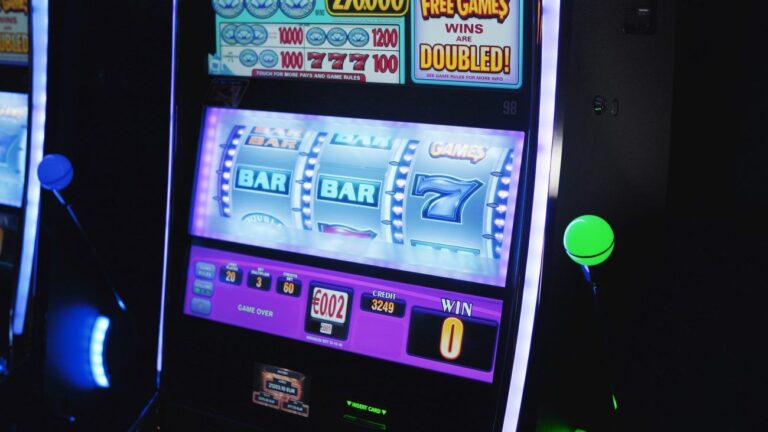
Virtual Gaming Worlds introduced an alternative to traditional sweepstakes casinos at the end of October. The company launched Chumba Spins as an invite-only, real-money product. This platform uses wagers on actual horse races to determine the outcomes of casino-style games. Users experience standard slot animations, but actual race results replace random number generators.
Game Play Network provides the horse racing infrastructure for this new model. The technology relies on established advance-deposit wagering systems. GPN uses its patented Reveal Technology to present race outcomes through casino-style interfaces. The system can utilize horse racing wagers placed in advance so customers do not have to wait for live races to finish.
Chumba Spins is currently in a closed beta phase. The testing ground includes California, Oklahoma, and Delaware. These locations represent markets where VGW previously shut down its traditional dual-currency operations. GPN already operates a similar real-money platform called Horseplay in 19 states, offering a potential expansion route for VGW.
Advance-Deposit Wagering Offers New Legal Framework for Operators
The advance-deposit wagering system allows customers to fund accounts and place horse racing bets remotely. GPN operates this infrastructure under the federal Interstate Horseracing Act and applicable state laws. The provider holds an Oregon master license and direct licenses in over a dozen states.
This wagering model gained significant legal backing in December 2025. The Sixth Circuit court ruled in favor of Churchill Downs’ TwinSpires regarding a dispute over Michigan licensing requirements for interstate wagering. Gaming attorney Charles Farrell noted earlier this year that advance-deposit wagering presents a durable option for sweepstakes operators.
The structure must operate as lawful pari-mutuel horse-race wagering through licensed channels to remain legally viable. Farrell cautioned that legal durability drops sharply if the product only uses race results as a randomizing mechanism for casino games. The concept mirrors historical horse racing machines and Florida’s Past Motor Racing games, which use previously completed race results to power slot-style visual experiences.
Sweepstakes Market Shrinks Amid State Bans and Lawsuits
Regulatory challenges are forcing sweepstakes casino operators to restructure their platforms. VGW reduced its operating footprint from 46 states to 33 states over the past two years. Oklahoma became the latest exit on November 1 after the state implemented a ban on dual-currency platforms.
The company previously exited California due to a similar ban on dual-currency sweepstakes platforms. Delaware operations ceased following multiple regulatory enforcement actions. Legal pressure escalated throughout 2026 with lawsuits from attorneys general in Kentucky, Florida, and Arkansas challenging the dual-currency gaming model.
Class-action lawsuits are also targeting VGW as one of the largest operators in the sweepstakes space. Horseplay remains active in states like New York and Montana where VGW’s traditional platform is no longer available. Chumba Spins currently operates without a confirmed date for a wider public launch.
Competitors Pivot to Growing Digital Card Rip Market
Rival sweepstakes operators are adopting a different alternative by introducing digital card rips. This product allows customers to buy digital packs containing collectible cards with varying values. Users can then sell these cards back or redeem them under platform rules. The mechanics mimic physical trading card pack openings.
Investment bank Mizuho values the United States trading-card market at between $10 billion and $20 billion. Bank of America estimates the digital pack rip industry has reached an annualized run rate of $2 billion. Sports betting and daily fantasy operators like Fanatics, Underdog, and PrizePicks have already entered this sector. FanDuel is currently testing a similar product.
Sweepstakes casinos are rapidly integrating these card-rip mechanics into their platforms. Crown Coins launched its version in August, followed by MyPrize, Modo, WOW Vegas, and Chanced. State regulators treat these alternatives differently from horse racing models, and neither structure automatically secures an exemption from local gambling restrictions.
Our Assessment
Sweepstakes operators are facing significant regulatory hurdles that require fundamental changes to their business models. VGW is testing the viability of pari-mutuel horse racing wagers as a replacement for the heavily scrutinized dual-currency system. The closed beta of Chumba Spins targets states that explicitly banned traditional sweepstakes platforms.
Competitors are choosing to capitalize on the multi-billion dollar digital trading card market instead of pursuing advance-deposit wagering. Both approaches represent strategic attempts to bypass state-level gambling restrictions. The success of Chumba Spins will depend on its strict compliance with the Interstate Horseracing Act and state-level advance-deposit wagering laws.
need press exposure?
We deliver solutions to any topic in the iGaming niche.